Got a kiddo bouncing with energy and a box of crayons that never runs dry? These activities are simple, fun, and surprisingly addictive for little creators—and they won’t wreck your kitchen counter. Let’s dive into ten ideas that spark imagination without requiring a full arts studio.
1. Snazzy Sock Puppet Theatre
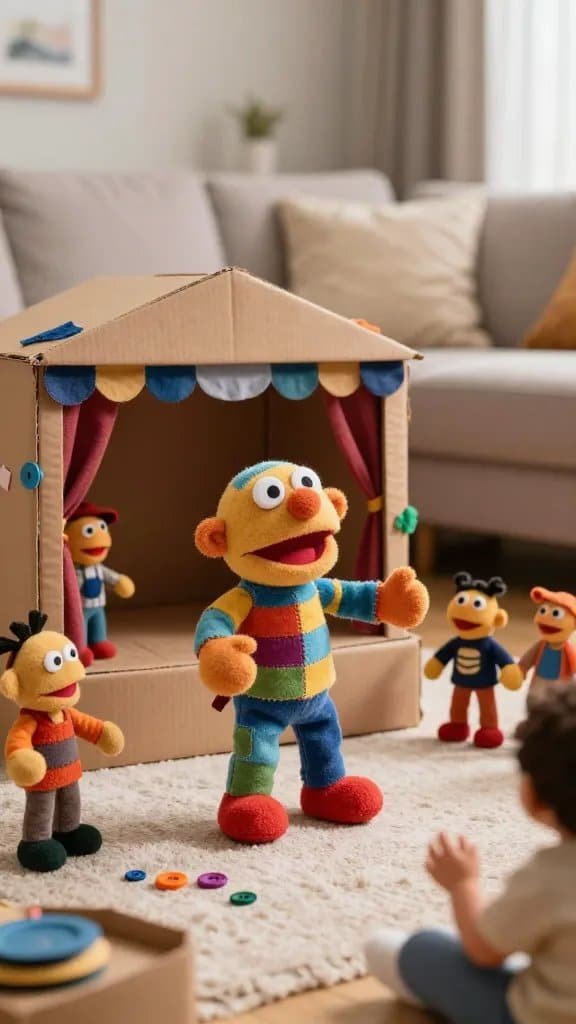
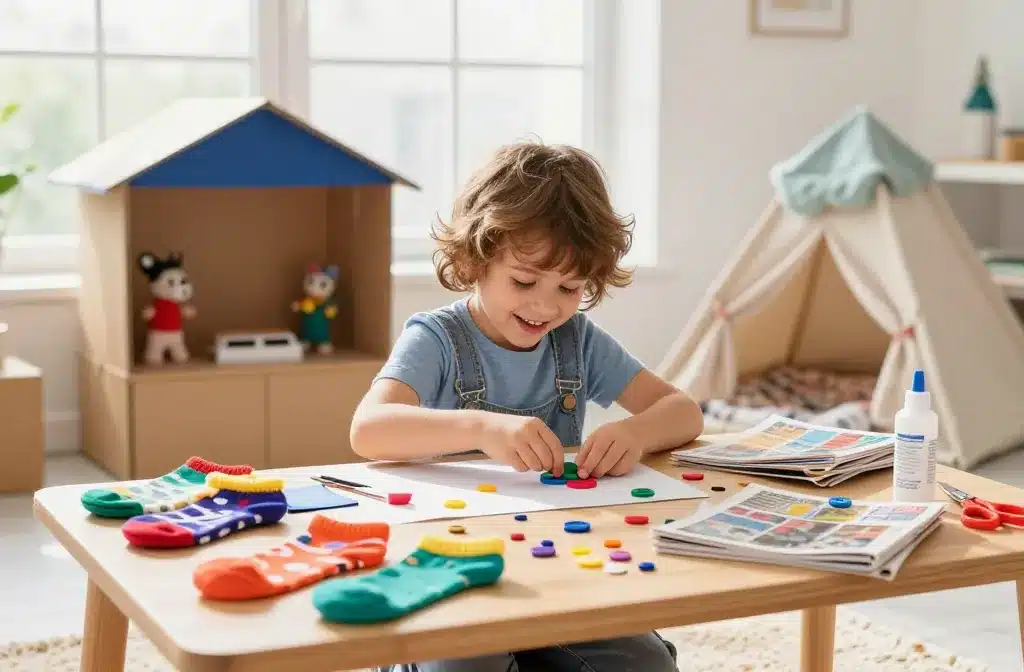
Turn old socks into characters, and put on a tiny show. This activity nails creativity, storytelling, and fine motor skills all at once. FYI, the results are often hilarious and super shareable with family reels.
What makes it awesome? It’s ultra low-cost, endlessly repeatable, and surprisingly theatrical. Each puppet becomes a personality with a few simple props and a goofy voice.
Key Elements:
- Old socks, fabric scraps, and buttons
- A small cardboard stage or blanket fort
- <liOptional pattern ideas for quick stories
End with a tiny curtain call and a bow. It’s a confidence booster dressed in comedy.
2. Collage Overnight Adventure
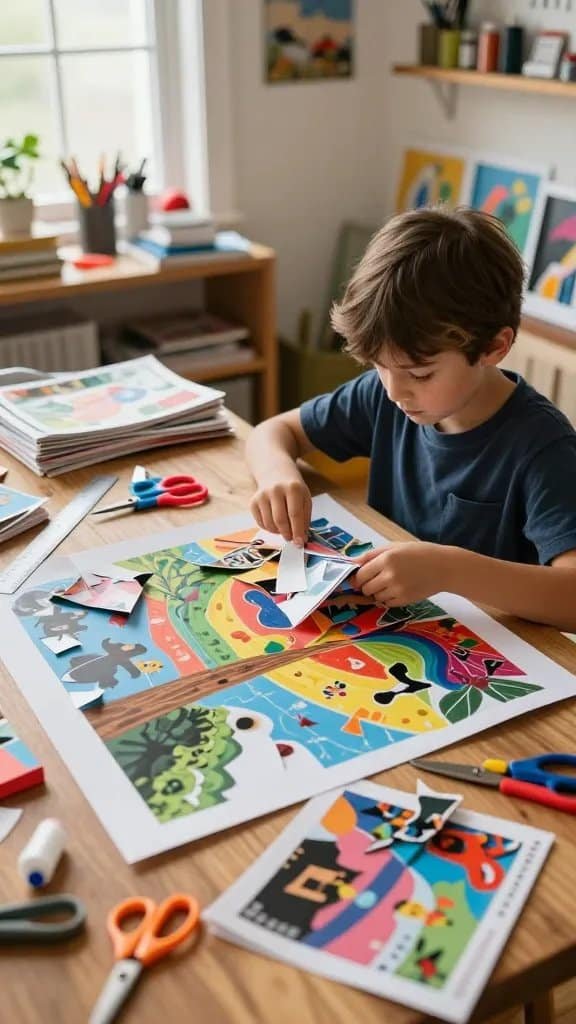
Gather magazines, scissors, glue, and a big sheet of paper. Kids trim, tear, and rearrange images into a dream collage. It’s a fantastic exercise in composition and decision-making.
This activity encourages focus and patience as little editors select color palettes and themes. The result doubles as wall art or a gift for a grandparent who loves their weekly fridge fame.
Tips & Materials:
- Magazines, scrap paper, old photos
- Safety scissors and glue sticks
- Ruler or extra large punch for texture
Tip: set a theme like “Under the Sea” or “Space Safari” to steer choices without stifling creativity.
3. Magnetic Mosaics on the Fridge
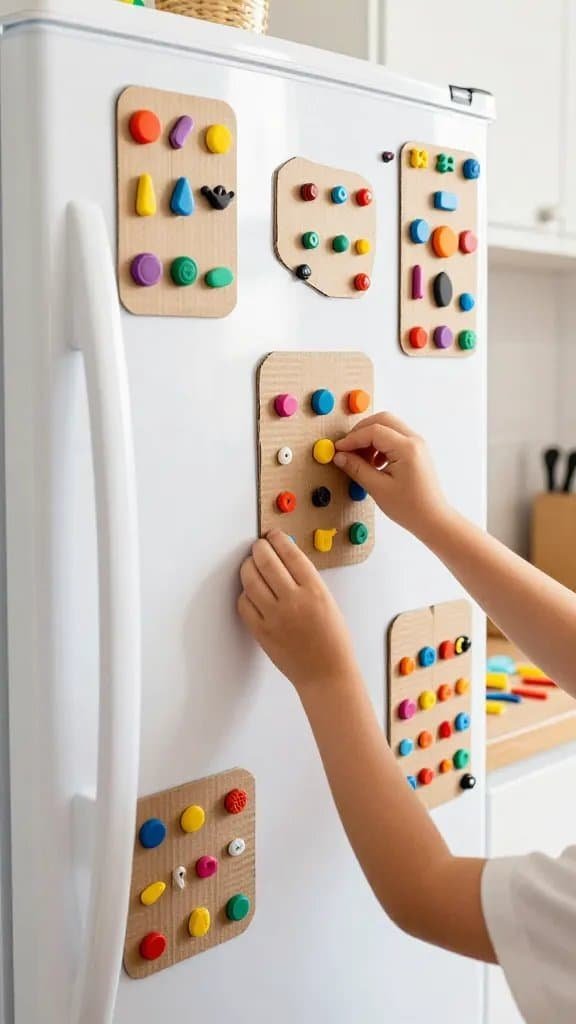
Cut cardboard into shapes and let kids decorate with magnetic pieces, buttons, or bottle caps. Then save the mosaic for daily fridge gallery updates. It’s a magnet-powered mini gallery you can reposition endlessly.
Why it’s awesome: tactile play, easy cleanup, and instant gratification as the image starts taking shape. Seriously, it’s oddly satisfying to rearrange a fridge full of tiny art.
What You’ll Use:
- Cardboard shapes
- Magnetic sheets or magnetic clay
- Assorted small items (buttons, bottle caps, beads)
Benefit: builds spatial awareness and patience, plus you finally have a use for all those stray magnets.
4. Nature Imprint Pocket Art
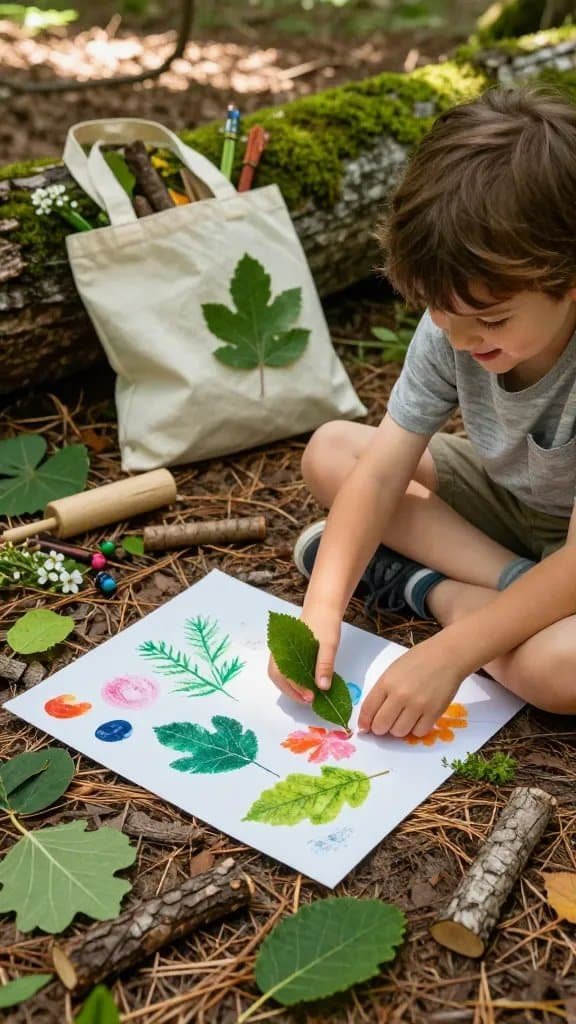
Head outside and collect leaves, twigs, flowers, and textured bark. Press them onto paper with a crayon rubbing or paint to create tactile nature prints. It’s art that smells like fresh air and forest floors.
Nature prints foster curiosity about textures and patterns, and they’re a gentle reminder to slow down and observe the world. Trust me, your kid will notice tiny details in a new way.
Tips to Maximize Fun:
- Combine with a quick scavenger hunt: find five different textures
- Use a rolling pin to press prints for even texture
- Seal with a spray gloss to preserve colors
End result: a little nature gallery perfect for a bedroom wall or a homemade card.
5. Doodle Story Chains
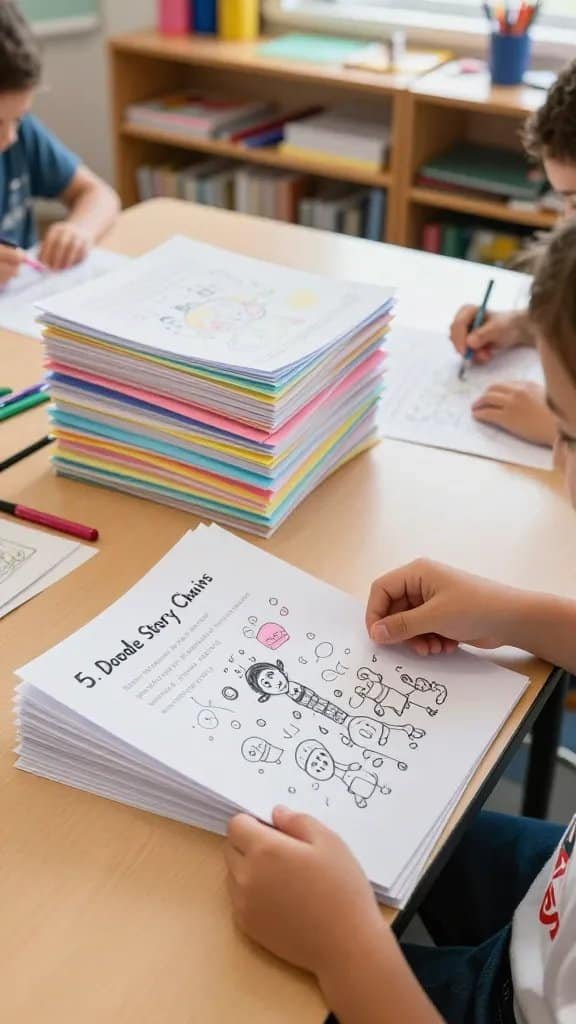
Start with a single doodle on a sheet, then fold the paper so the next person adds to the tail. Pull the fold open to reveal a collaborative, quirky story in pictures and little captions. It’s collaborative chaos in the best possible way.
Why this rocks: it builds storytelling skills and shows how ideas evolve with team energy. It’s funny, surprising, and almost always a little bizarre in the best way.
How to Run It:
- Prepare a stack of folded sheets
- Each kid adds a doodle and a two-word caption
- Unfold to reveal the wild narrative
Tip: keep a running joke from the previous page to weave continuity and laughter. FYI, the final result makes great framed art.
6. Watercolor Wet-on-Wet Wonder
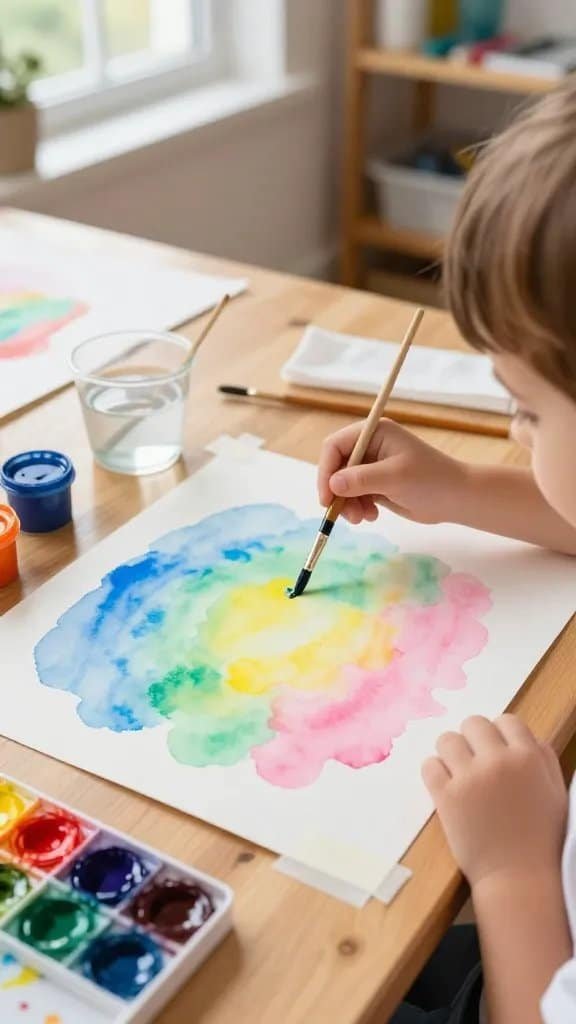
Dip brushes into water and watch colors bleed into soft, dreamy blends. Wet-on-wet watercolor is forgiving and magical for little painters who want quick, wow-worthy results.
What makes it special? It’s a sensory delight and a perfect starter activity for budding painters who worry about staying within lines. The results look surprisingly professional with minimal effort.
Materials:
- Watercolor paper, brushes
- Water cups and paper towels
- Solid or pan watercolors in a few bright hues
End with a quick display on a makeshift gallery wall. The “oohs” you’ll hear are priceless.
7. Sticker Mosaic Adventures
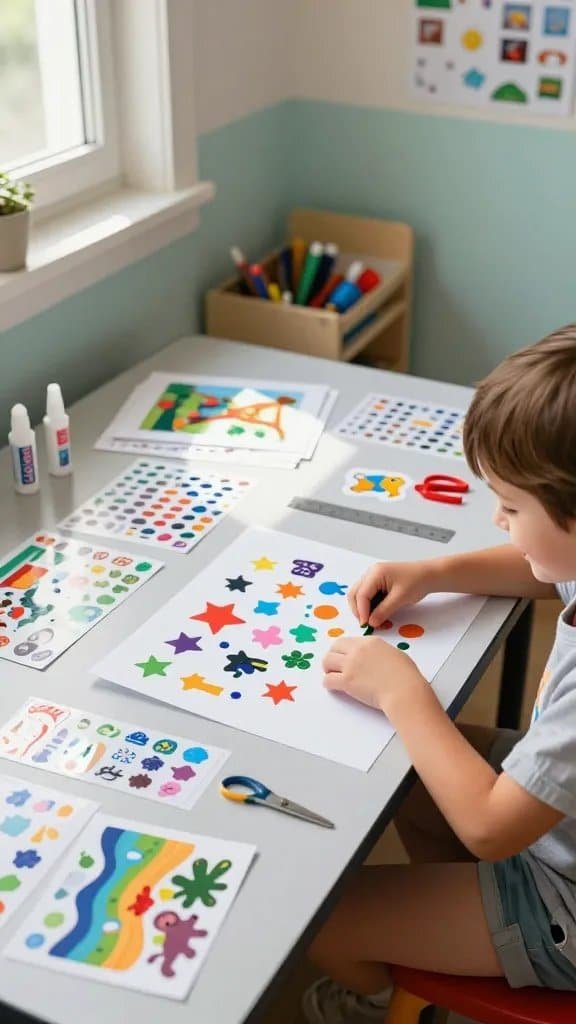
Stock up on a big sheet of paper and a pile of stickers. Kids arrange stickers to create scenes, animals, or abstract patterns. It’s a delightful way to explore color and composition without any mess.
Sticker art teaches patience and visual planning while keeping cleanup at a minimum. Plus, the shiny stickers are irresistibly satisfying to place just-so.
Helpful Notes:
- Simple landscape, animal, or fantasy themes
- Encourage layering for texture
- Laminate later to transform into keepsakes
Benefit: builds fine motor control and design sense with zero mess anxiety.
8. Paper Plate Puppet Theater
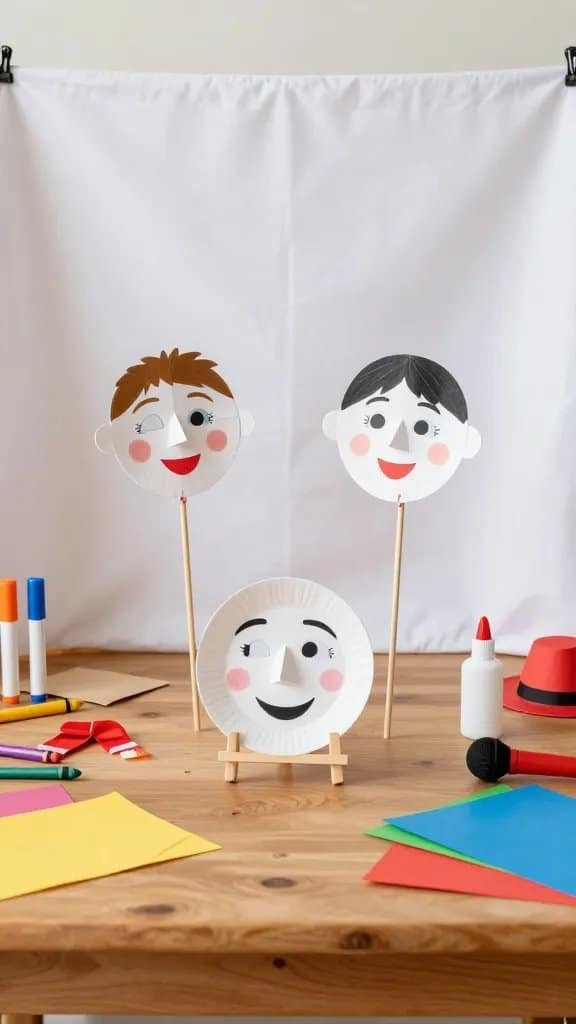
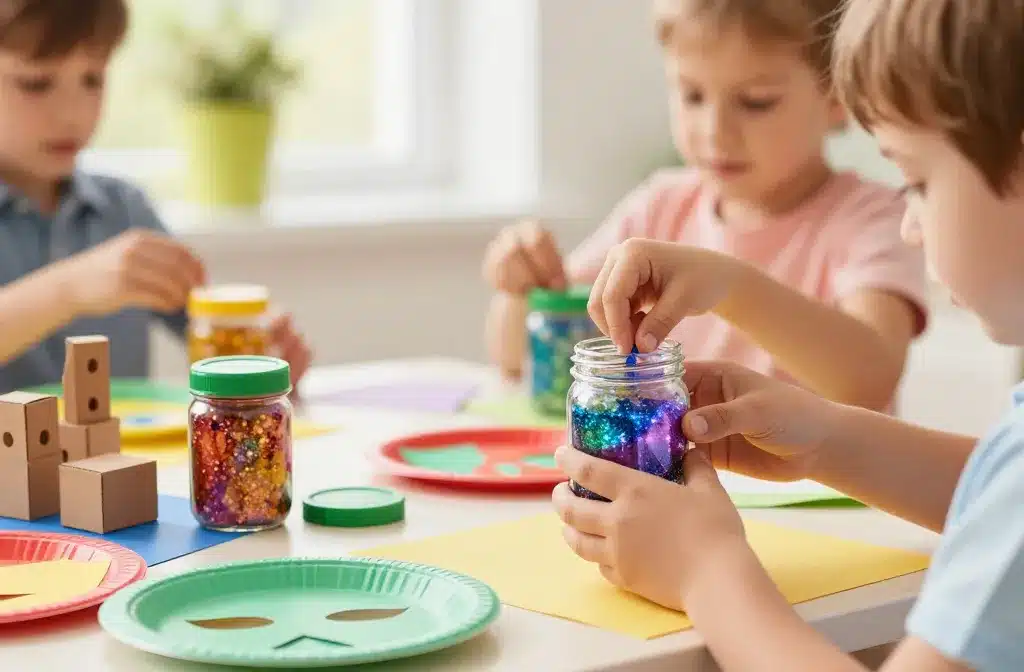
Cut eyes, mouths, and decorations from scrap paper and glue them onto paper plates to craft face masks, then stage a quick show with a handful of props. It’s theater with very few supplies and a lot of smiles.
Why it works: low prep, high imagination. Kids learn about character design and performance, all while keeping textures and colors in check.
What to Include:
- Plain paper plates
- Markers, crayons, scrap paper
- Craft sticks or straws for puppets
End result: a cheerful mini-play that doubles as a silly family video memory.
9. Salt Dough Creations
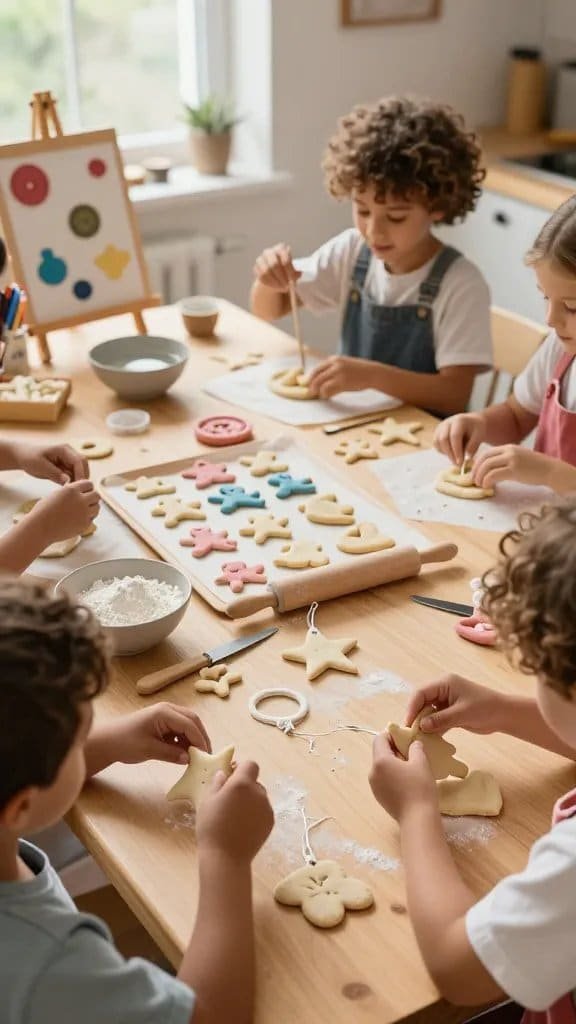
Mix salt, flour, and water to create edible-looking clay that hardens for keepsakes. Kids sculpt shapes, bake them, and decorate with paint or markers. It’s a tactile project with long-lasting mementos.
Why you’ll love it: materials are pantry-friendly, and the dough is forgiving for little hands. FYI, bake time is short, so you won’t be waiting around forever.
Basic Recipe:
- 1 cup flour
- 1/2 cup salt
- 1/2 cup water
Tip: press a string or hole while shaping to turn sculptures into ornaments. It’s surprisingly cute on a holiday tree or windowsill.
10. Painted Cardboard City
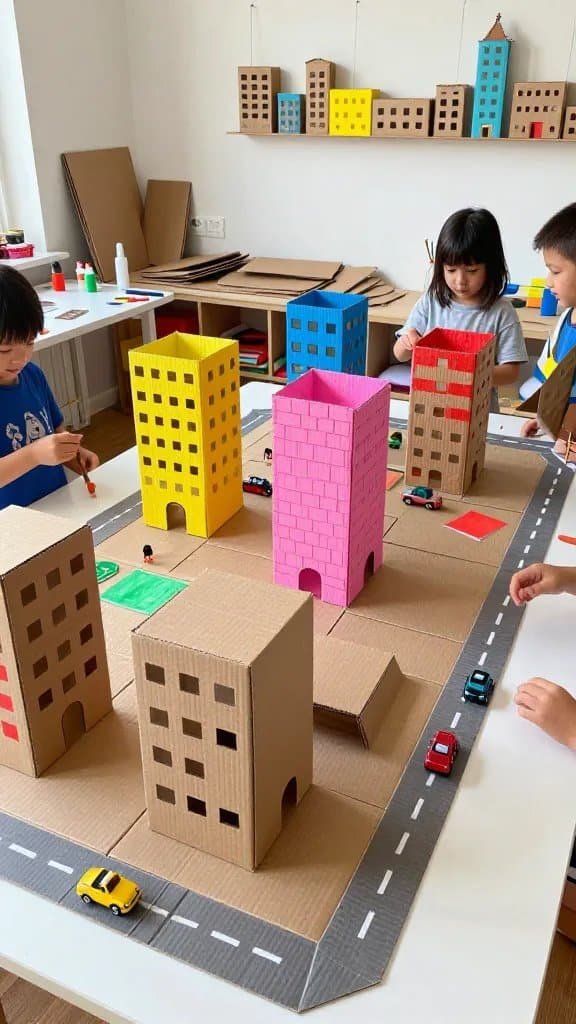
Gather cardboard boxes of various sizes, cut windows and doors, and let kids paint and decorate to build a miniature city. This activity blends painting, design thinking, and spatial planning in a hands-on, big-picture project.
What’s brilliant about it? It uses everyday scraps, sparks architectural curiosity, and ends with a tangible “city” they can play with for days.
Setup Essentials:
- Cardboard pieces, glue, non-toxic paint
- String or yarn for hanging buildings
- Optional: yarn roads and tiny trinkets for downtown vibes
End note: encourages project planning, problem solving, and creative reuse of materials. It’s a win all around.
Ready to try these? Pick a batch of activities, set a cozy art station, and watch creativity blossom. These ideas are easy, fun, and perfect for a kid who loves to explore—and you’ll have a blast too, I promise. Trust me, the kitchen table will become a hub of giggles and masterpieces in no time.
Now grab your supplies, pick a day, and dive in. The more you mix and match, the more your little artist discovers their own unique style. You’ve got this!

Jessica Miller is the creator of Happy Home Atlas, where she shares simple ideas for home decor, easy recipes, and everyday living. She enjoys creating comfortable spaces, trying new things in the kitchen, and finding practical ways to make daily life feel more organized and enjoyable. Her approach is focused on keeping things simple, useful, and easy to follow.