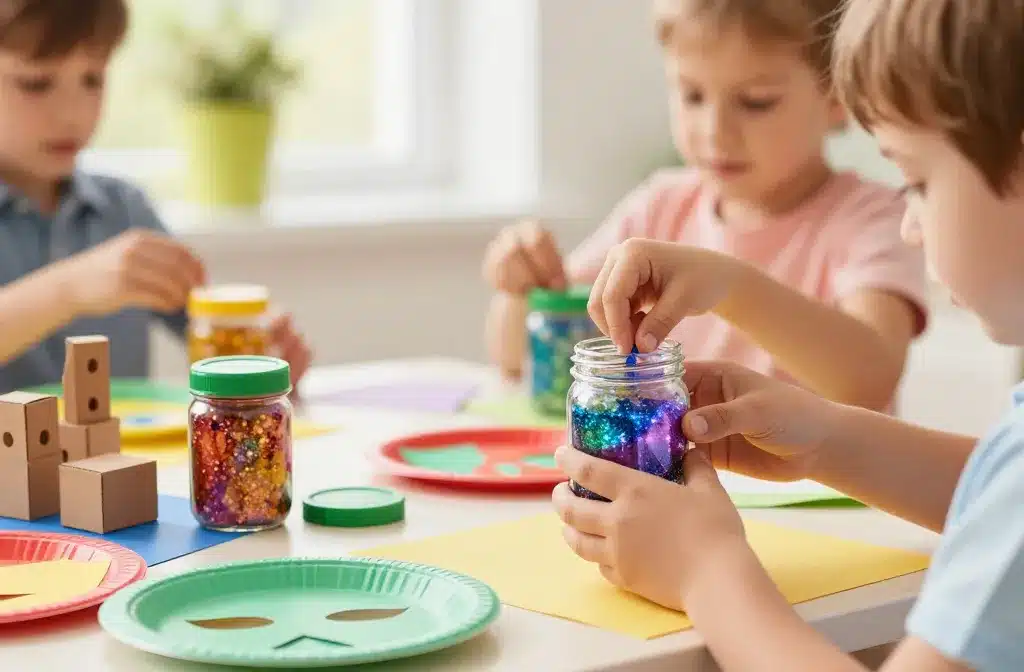
These quick, goofy, hands-on activities turn tiny movements into big smiles. Ready to boost little fingers and keep boredom at bay? Let’s jump in and have some playful focus fun.
1. Pasta Parade: String, Sort, Smile
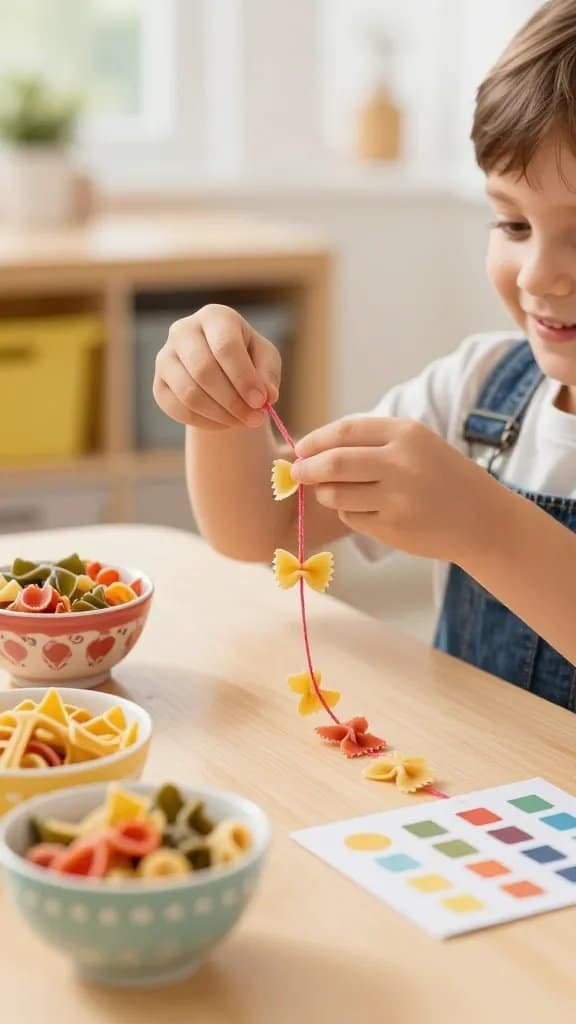
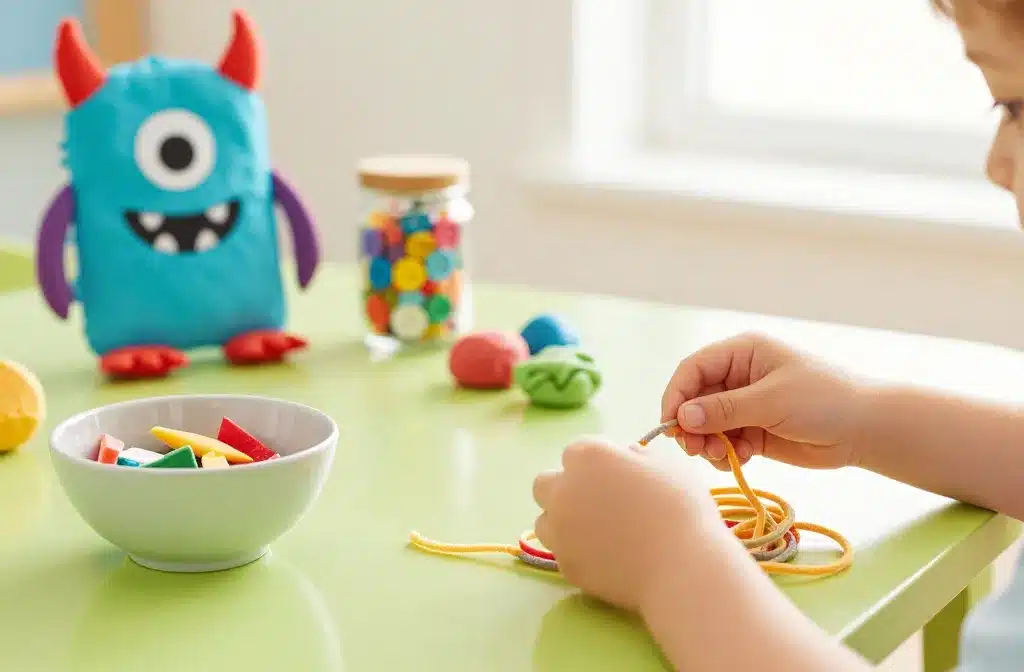
Kids love color and yarn, so why not combine the two? This activity boosts pincer grip and hand-eye coordination without feeling like work.
Why it’s awesome
Colorful pasta on a thread becomes a tiny art project and a motor skill workout in one. It’s portable, mess-light, and endlessly reusable.
- Fine motor precision: threading tiny shapes
- Concentration boost: following patterns
- Creativity: arrange colors and shapes
Tip: use eye-catching bowls to keep pieces visible. FYI, kids will ask to do this again and again.
2. Build-a-Button Monster: Fabric, Felt, Fun
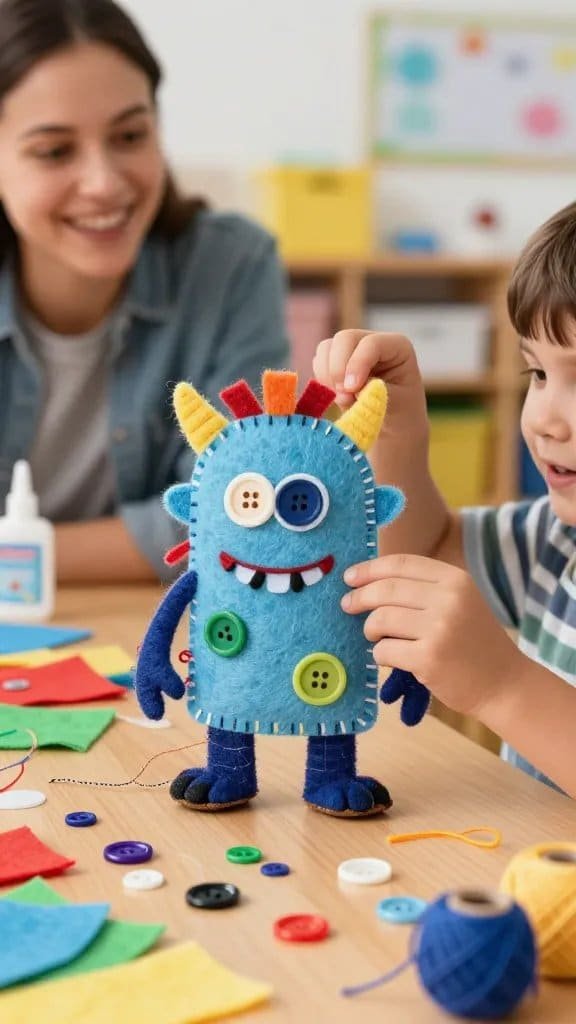
Cut, glue, and stitch-friendly craft scraps come together to form a goofy creature. This builds bilateral coordination and careful handwork.
Key Points
- Materials: felt scraps, buttons, glue, yarn
- Skills: pinching, placing, tying knots
- End product: a silly monster to giggle at
End with a show-and-tell moment; kids practice speaking while showing off their “best button monster.” Seriously adorable results.
3. Play-Dough Sculptors: Flatten, Roll, Shape
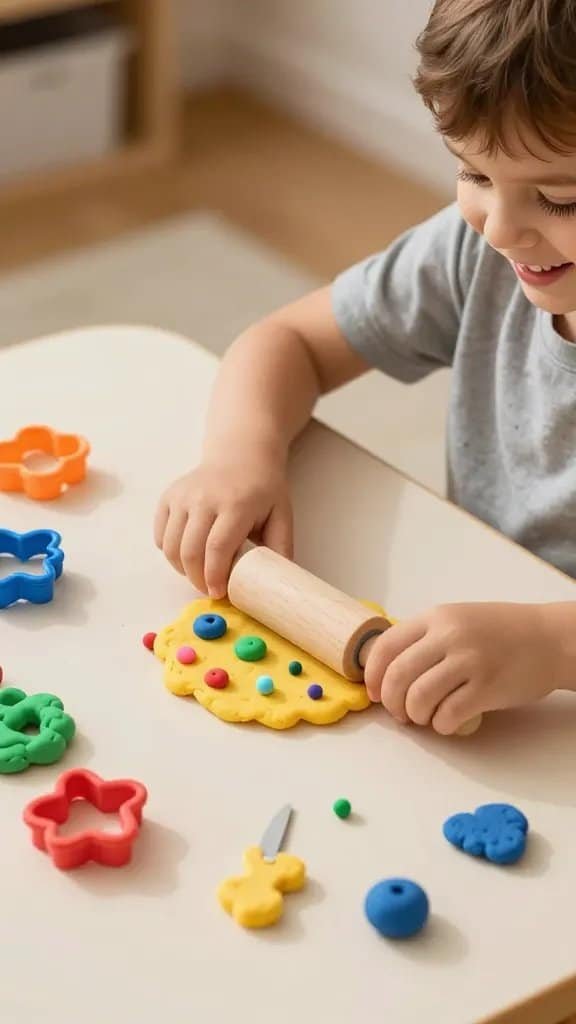
Squishy play-dough is a playground for tiny hands. Rolling, pinching, and carving strengthen muscles used for writing and daily tasks.
Tips for success
- Roll with a mini rolling pin to boost wrist control
- Use cookie cutters or a plastic knife for slicing
- Experiment with textures: add beads or foam into the dough
Bonus: it’s mess-friendly if you keep a mat handy. Trust me, cleanup is part of the fun.
4. Sticker Dash: Peel, Press, Perfect
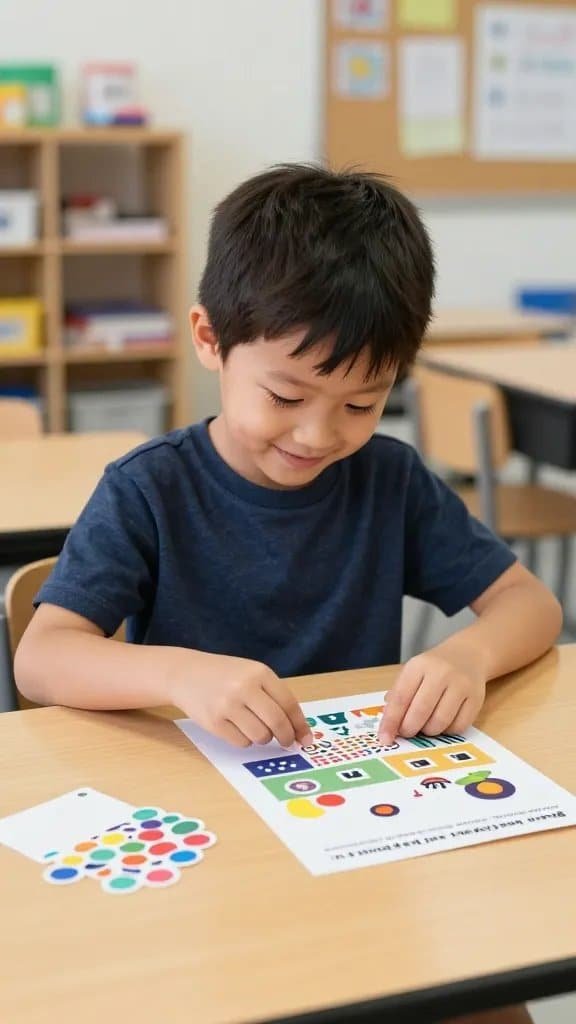
Stickers are tiny trainers for fingernails and fingertips. Peeling and placing stickers improves dexterity and concentration.
What to try
- Pattern stickers to create scenes
- Alphabet or number stickers for early literacy and math prep
- Layered sticker collages for spatial awareness
End with a tiny gallery: kids explain their sticker choices and arrangement. It’s social practice in a tiny package.
5. Button and Bead Tuzzles: Snap, Sort, Smile
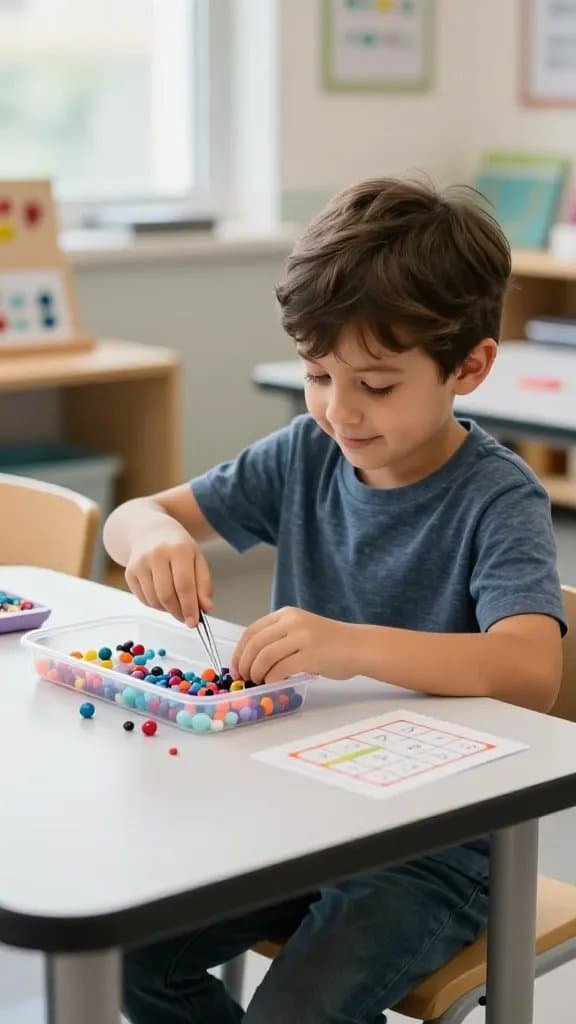
Transferring small beads from a bowl to a tray using tweezers or a spoon makes eyes light up and fingers work hard.
Why it shines
- Precise pincer grip training
- Color & counting practice
- Portable and repeatable setup
Tip: start with larger beads, then graduate to tiny ones as confidence grows. This steady progression feels like a win every time.
6. Sock Puppet Fine-Tune: Sew, Stuff, Animate
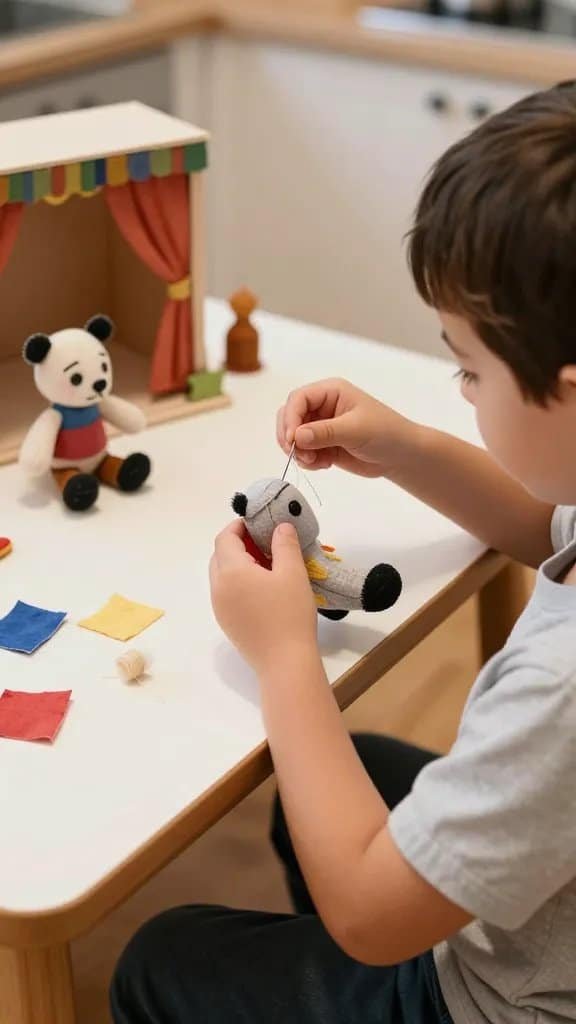
Small hand sewing or stuffing a sock builds hand strength and hand-eye coordination. A tiny puppet show doubles the fun and motivation.
Quick guide
- Materials: old sock, fabric scraps, needle (or fabric glue), stuffing
- Focus: threading, knot-tying, and stuffing control
- Creative twist: let kids narrate a short puppet story
Benefits: improved dexterity, confidence in crafting, and a playful outlet for expression.
7. Sensory Tray Quest: Scoop, Pour, Measure
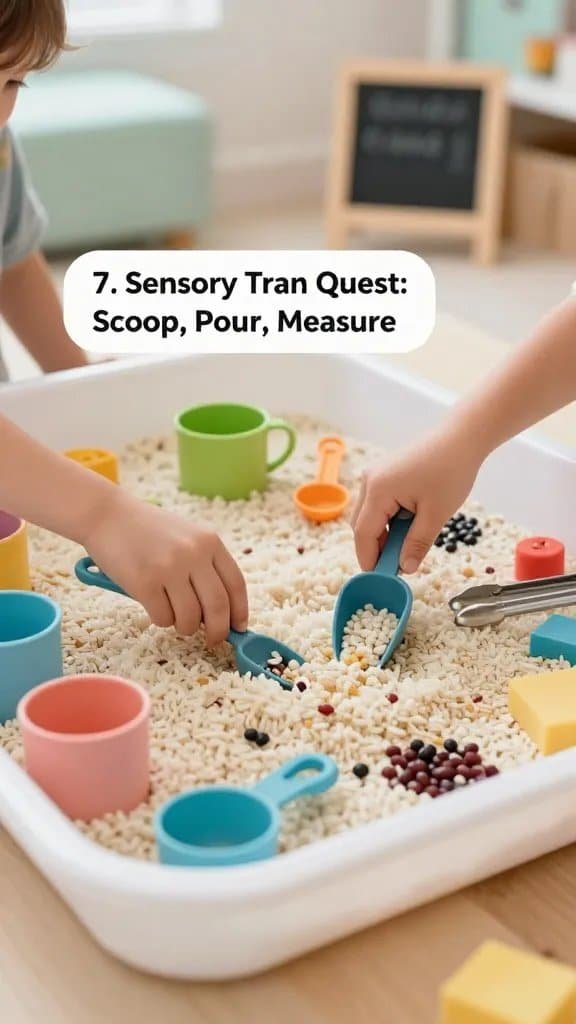
Fill a shallow tray with rice, beans, or sand and add scoops, cups, and small tools. It’s a sensory workout with built-in math practice.
Why it’s valuable
- Promotes hand strength and coordination
- Encourages precision and slow-motion control
- Calming, engaging play that’s easy to set up
FYI, vary texture for ongoing challenge: add pasta, oats, or foam shapes to keep it fresh.
8. Clip-and-Create: Tong Clips and Clothespins
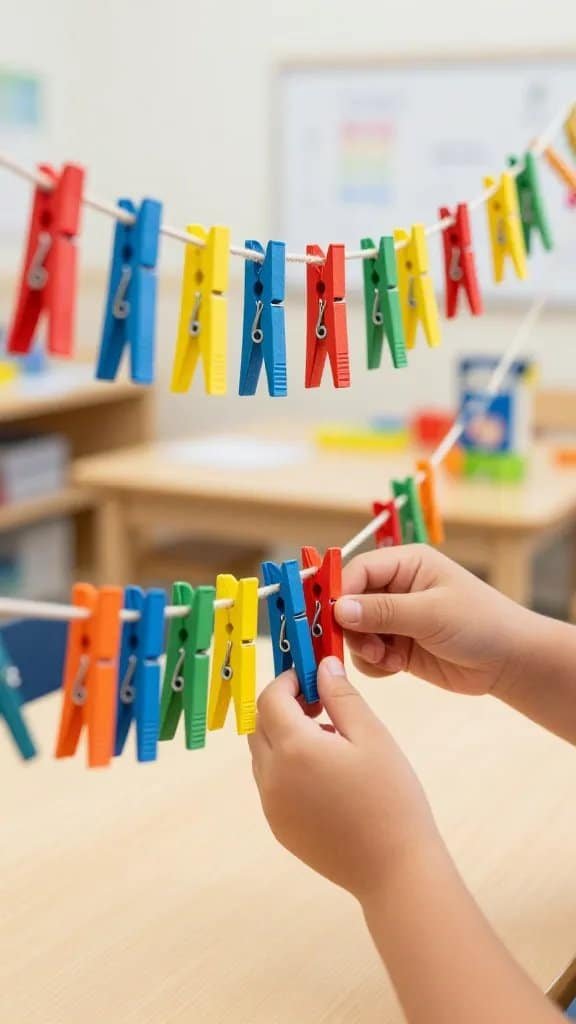
Clipping clothespins onto a line or card strengthens pinch strength and hand control. It’s a silly, satisfying workout that doubles as art.
Best practices
- Materials: clothespins, string or cardboard
- Alternative: use binder clips for older kids
- Goal: clip a row without dropping pieces
End result: a colorful chain or a tiny garland. Easy to display and even easier to brag about.
9. Button-Bright Jewelry: Thread, Knot, Wear
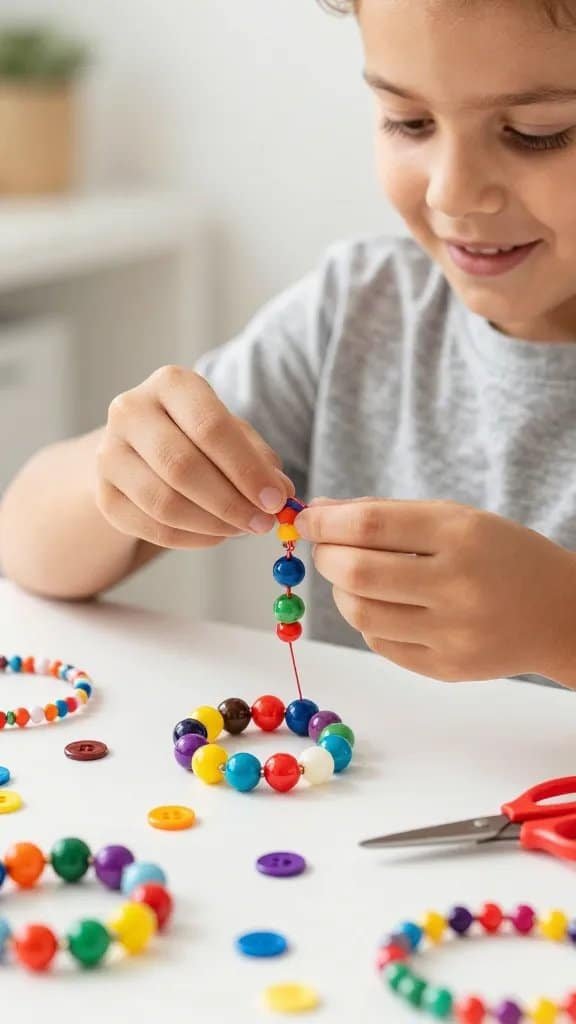
Threading big beads or buttons onto a string to make bracelets or necklaces is a stylish way to lastingly practice fine motor skills.
What to focus on
- Control: stable hands while threading
- Pattern work: repeat color sequences
- Finish: tie secure knots and trim ends
Use this as a mini fashion show: kids model their jewelry and talk about their color choices. It adds a bit of drama and a lot of practice.
10. Nature Pinch and Paint: Leaves, Acorns, and Dots
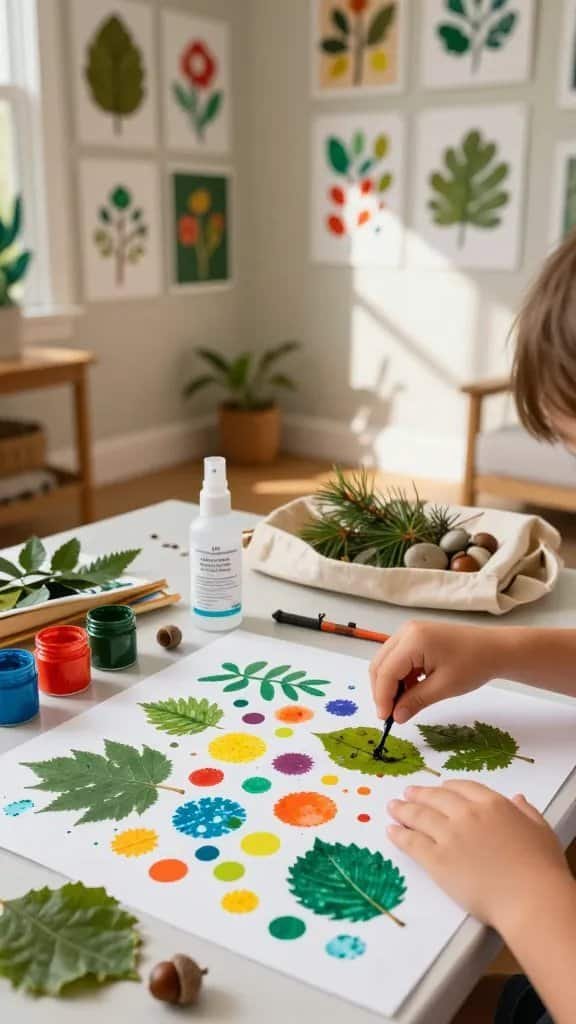
Take a nature walk, collect items, then pinch and stamp them into paint on paper. It’s outdoor inspiration with indoor results—perfect for busy days.
Why combine nature with art?
- Textures boost tactile discrimination
- Different shapes refine pincer control
- Creative output makes the experience memorable
Tip: seal with a light spray of fixative to keep the art looking fresh, and use it as a wall-ready gallery in a kid-friendly hallway.
These 10 activities are all about short, engaging bursts that strengthen tiny hands while keeping play at the center. IMO, the point isn’t perfection—it’s movement, curiosity, and a little silly fun along the way. Trust me, your future writer of masterpieces will thank you for building those fine motor superpowers early.
So grab a few supplies, pick a couple of activities, and turn a ordinary afternoon into a mini workshop of giggles and growth. Let the finger gymnastics begin!

Jessica Miller is the creator of Happy Home Atlas, where she shares simple ideas for home decor, easy recipes, and everyday living. She enjoys creating comfortable spaces, trying new things in the kitchen, and finding practical ways to make daily life feel more organized and enjoyable. Her approach is focused on keeping things simple, useful, and easy to follow.