These activities are nerdy in the best way—hands-on, surprising, and seriously engaging. You’ll be surprised by how quickly kids light up when curiosity meets simple tinkering. Get ready for a playtime upgrade that also sneaks in real learning.
1. Build a Mini Marble Roller Coaster
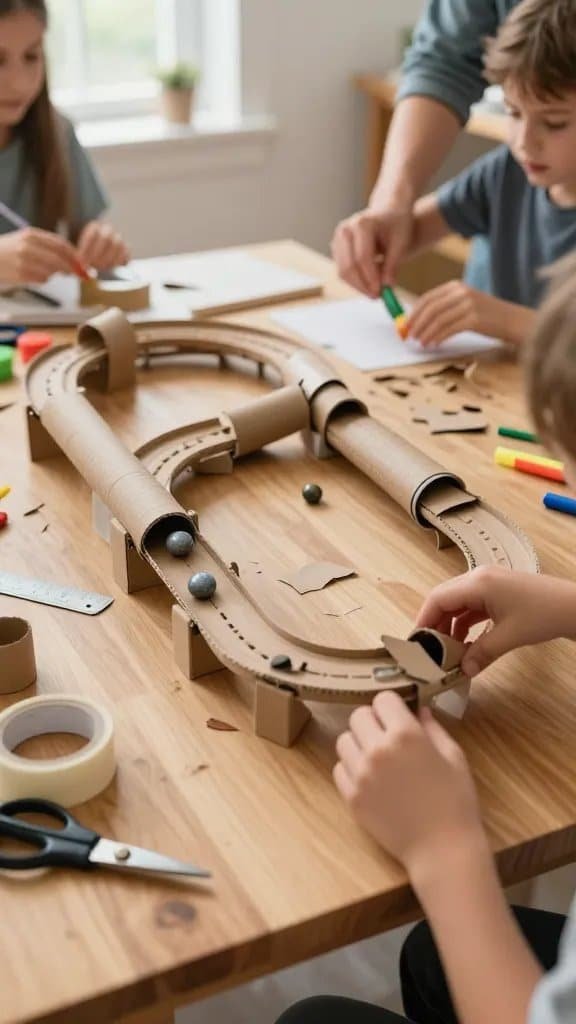
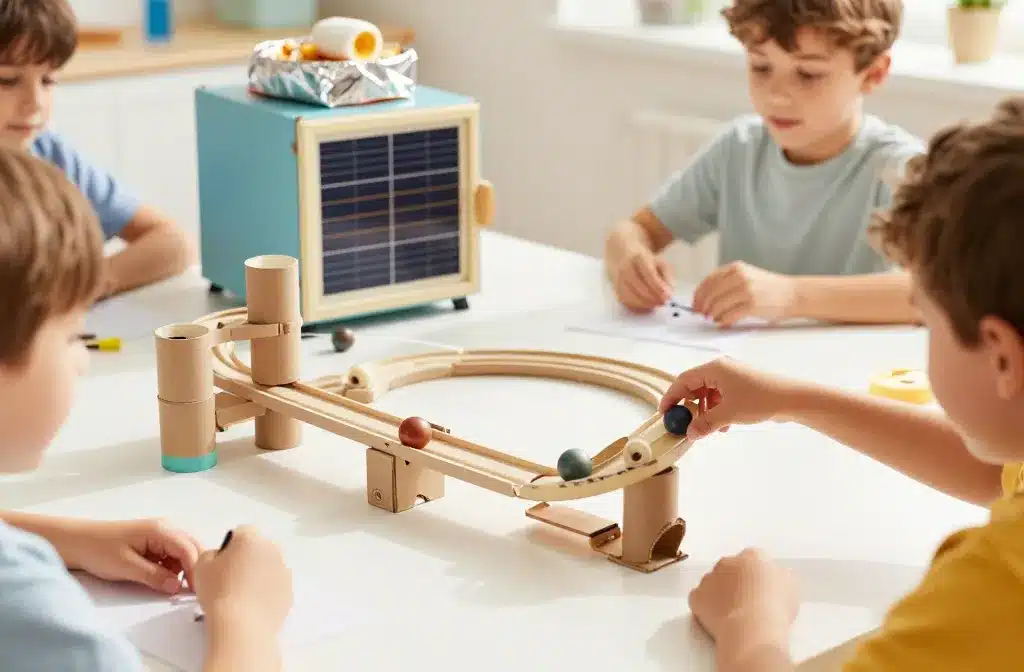
Nothing beats watching a marble zoom down a handmade track. It’s a physics playground disguised as a DIY project. Plus, you’ll finally have a use for all those cardboard tubes collecting dust.
Key points to consider:
- Materials: cardboard, tape, marbles, scissors
- Focus on energy transfer and gravity
- Encourage iteration: tweak slope, turns, and loops
Why it’s awesome: kids learn cause and effect, timing, and spatial reasoning without even realizing they’re studying. FYI, it’s also surprisingly calming to watch a well-made run.
2. DIY Solar Oven S’mores
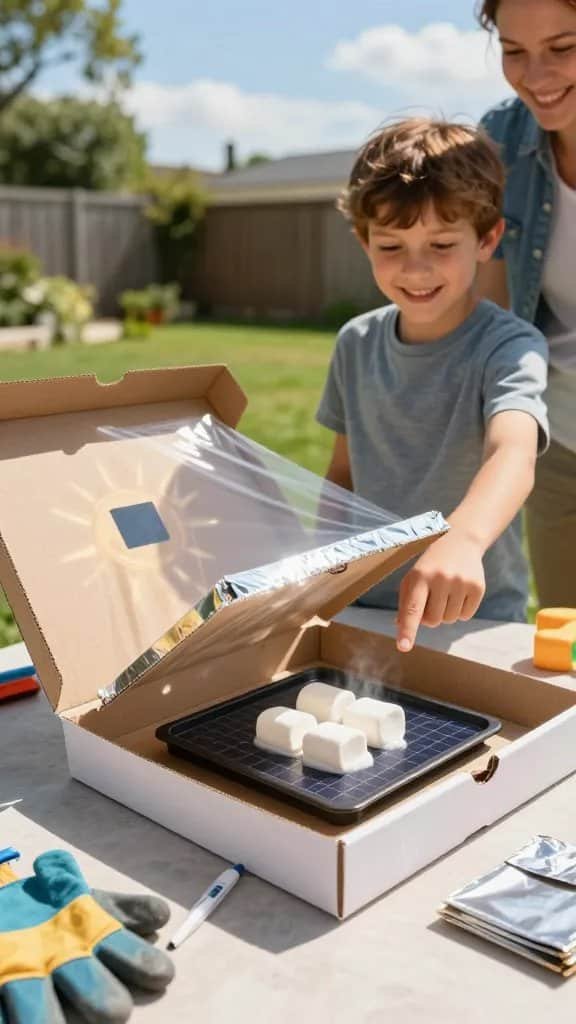
Turn a sunny afternoon into a tasty science session. A cardboard pizza box and a bit of foil become a tiny solar chef. Who knew engineering could taste this good?
What to plan for:
- Materials: pizza box, aluminum foil, plastic wrap, black paper
- Demo solar heat, reflection, and insulation
- Safety first: supervise hot surfaces and melted marshmallows
Bonus benefit: kids grasp renewable energy basics while enjoying a sweet treat. Trust me, they’ll remember this experiment long after the last bite.
3. Sink or Float Challenge
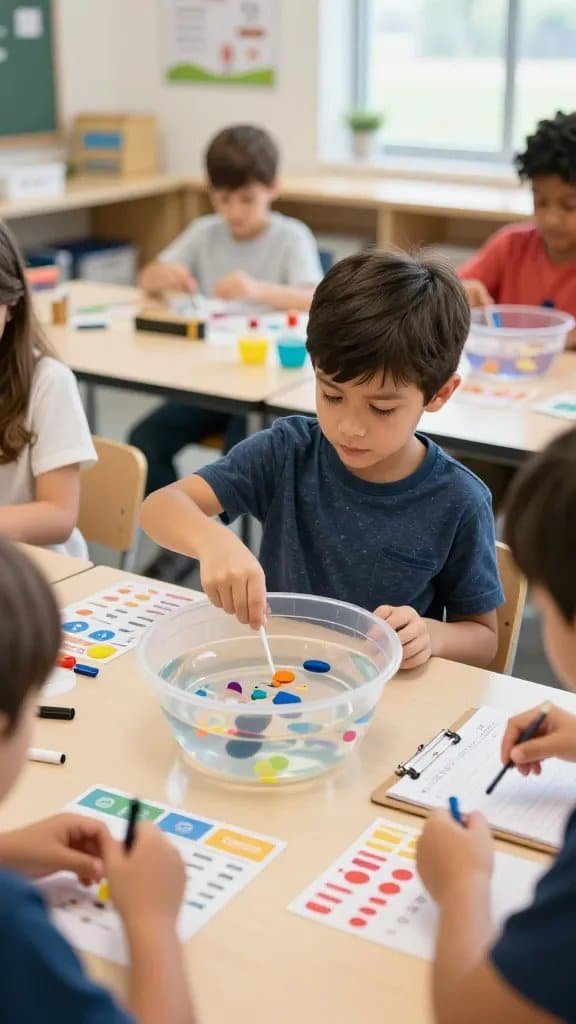
A timeless classic with a twist: predict which items float, then test them in a bowl of water. It’s easy to set up and endlessly revealing.
How to run it smoothly:
- Materials: a mix of small household items, a clear container, markers
- Make prediction cards and tally results
- Discuss density and buoyancy in kid-friendly terms
End result: better critical thinking and a natural curiosity about materials. Seriously, you’ll be surprised what surprises float to the surface.
4. Rainbow Density Columns

Layering liquids with different densities makes a gorgeous, science-y dessert for the eyes. It’s science meets art, and it’s mesmerizing to pour slowly.
What to keep in mind:
- Materials: water, honey, dish soap, rubbing alcohol, food coloring, clear bottles
- Careful with gradient colors for a striking effect
- Explain why liquids separate by density
Tip: use tablespoon measurements to control layering, and let kids narrate what happens as each layer settles. A visual win for every learner.
5. Plant Mystery: Grow a Byte-Size Garden
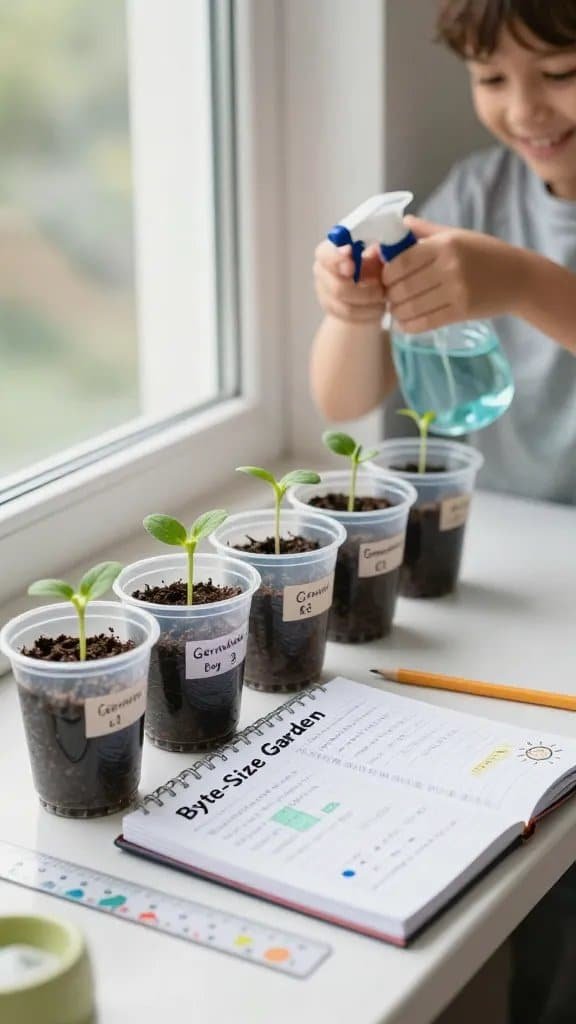
Combine biology with a little detective work. Plant seeds in labeled cups, then track growth with simple data journals. It’s the cutest way to introduce variables and observation.
What to track:
- Growth rate, germination time, leaf color
- Light exposure, water amount, soil type
- Sketches and notes in a mini notebook
Why you’ll love it: hands-on biology, responsibility, and a tiny living companion to cheer on. IMO, responsible plant parenting is underrated therapy.
6. LEGO Bridge Challenge
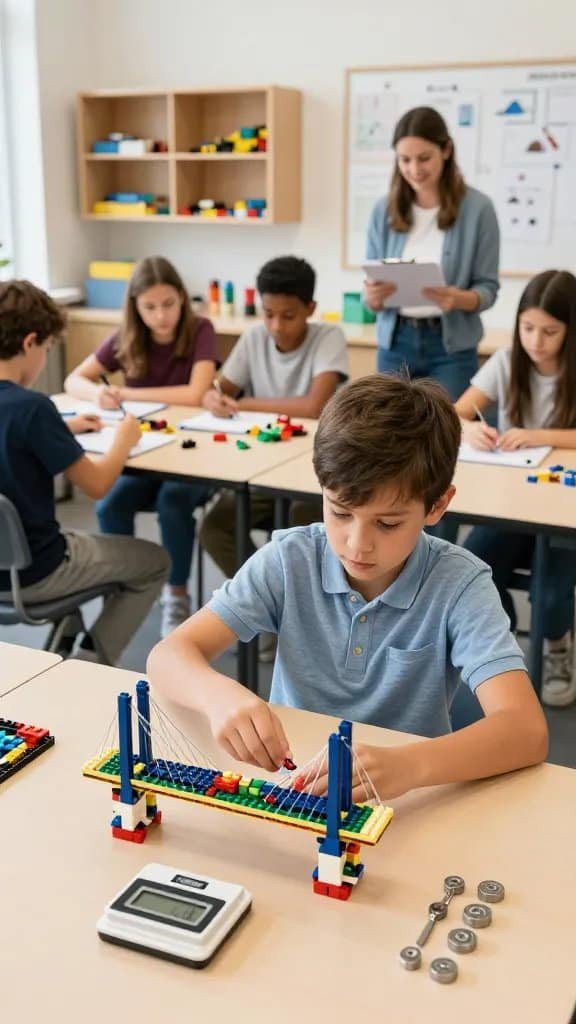
Turn LEGO into an engineering lab. See who can build the strongest, longest-lasting bridge with a tiny budget. It’s competition without the mean vibes.
Key ideas to explore:
- Materials: LEGO bricks, weights for testing
- Discuss load distribution and supports
- Iterate designs based on test results
End result: practical understanding of forces and problem-solving perseverance. Seriously, the mastery boost from one good bridge design is real.
7. DIY Anemometer: Measure Wind
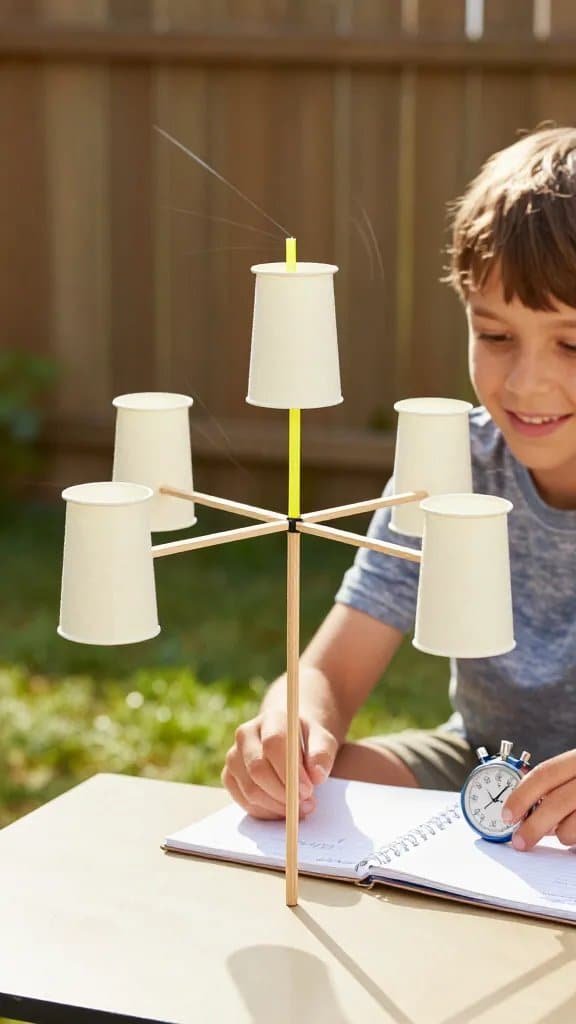
Windy days become data-gathering adventures. A simple cup-anemometer helps kids quantify the breeze and compare days.
What to assemble:
- Materials: paper cups, straw, pin, pencil, stopwatch
- Rotational speed as a proxy for wind speed
- Record findings and compare conditions
Why it sticks: kids connect weather, physics, and real-world phenomena in a tangible way. FYI, you’ll start checking wind speeds before third coffee of the day.
8. Code a Story: Interactive Choose-Your-Adventure
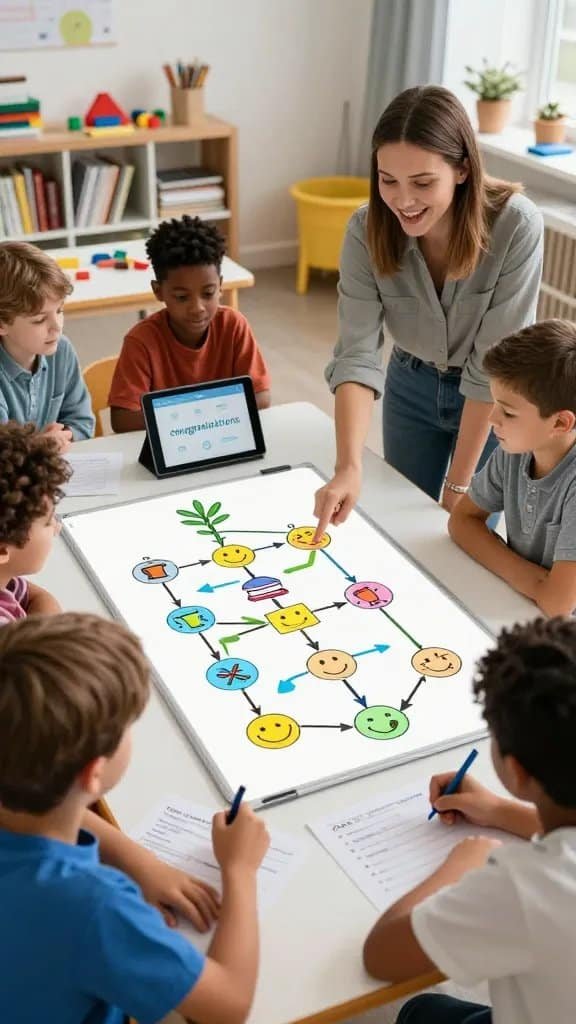
Computational thinking meets storytelling. A simple flowchart or kid-friendly coding app lets them create branches, outcomes, and applause-worthy endings.
What to set up:
- Materials: paper or a kid-friendly coding platform
- Encourage branching narratives and loops
- Test together, debug, and celebrate clever solutions
Benefit: builds logical reasoning and creativity at the same time. IMO, every kid deserves their own masterpiece interactive story.
9. Mystery Magnets: Explorer Kit
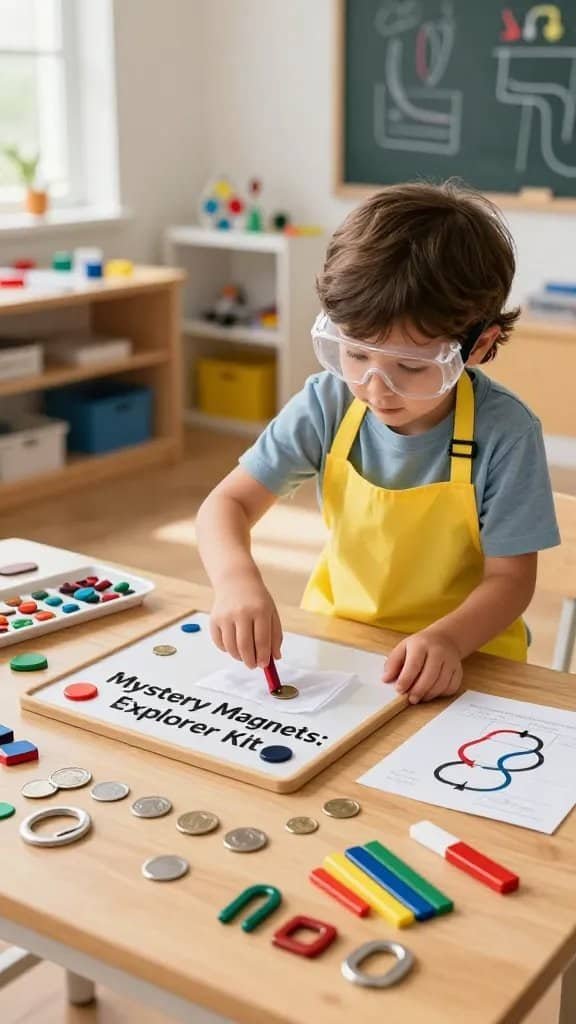
Magnet science becomes a treasure hunt. Hide metal objects, then use different magnets to discover their properties. It’s a tactile way to explore attraction and repulsion.
What to include:
- Materials: magnets of various strengths, assorted small items
- Sort discoveries into magnetic vs non-magnetic
- Discuss magnetic fields with simple diagrams
Bottom line: curiosity + magnets = endless questions and hands-on discovery. Seriously magnet magic is real.
10. Egg Drop Engineering Challenge
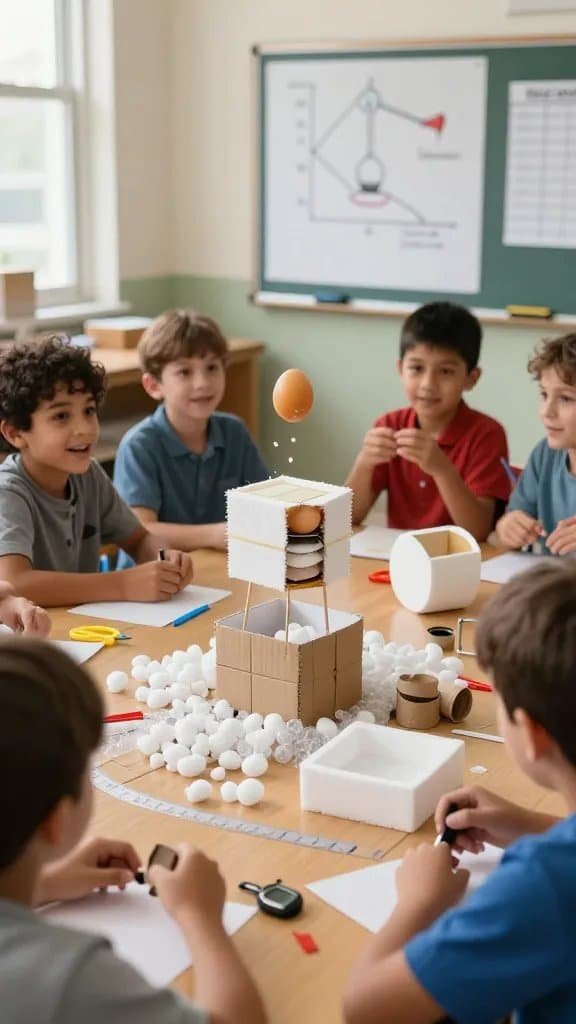
Protect a raw egg from a fall using a DIY container. It’s a dramatic demo of physics, forces, and material choices.
How to execute:
- Materials: egg, packing material, tape, paper, lightweight container
- Test and iterate different shielding strategies
- Evaluate which design minimizes impact
Pro tip: brief kids on safety and be ready for a few dramatic crack tests. It’s part of the fun, promise.
11. Taste-Test Chemistry: Fizzy Fruit Science
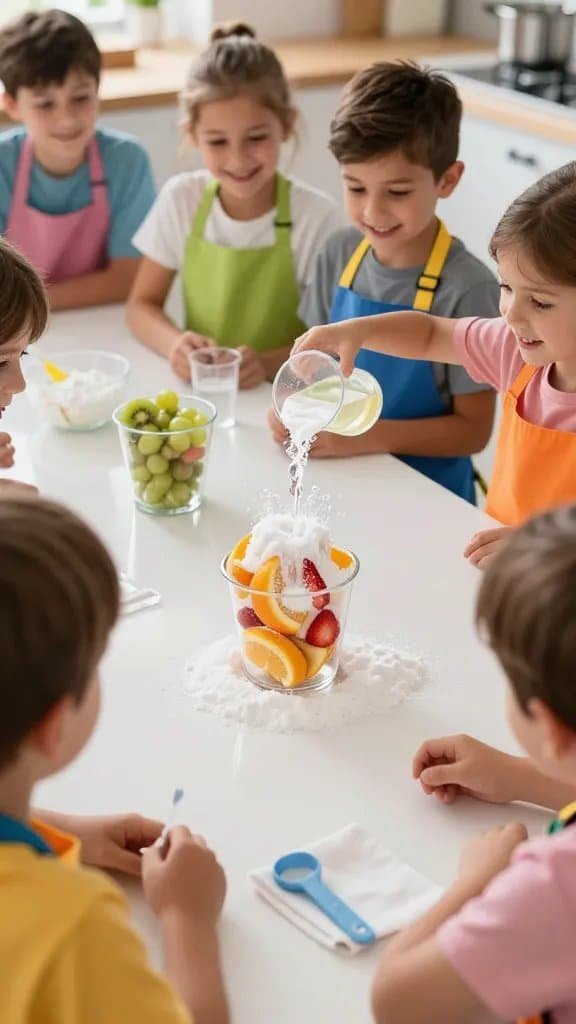
A splash of baking soda and vinegar with fruit turns snack time into a fizzing volcano show. It’s approachable chemistry that ends with a tasty reward.
What you’ll do:
- Materials: fruit slices, baking soda, vinegar, small cups
- Observe gas production and color changes
- Discuss safe handling and cleanup afterward
Bonus: kids remember the science when they get to eat the results. FYI, clean-up is quick if you line up towels first.
12. Paper Airplane Aerodynamics Lab
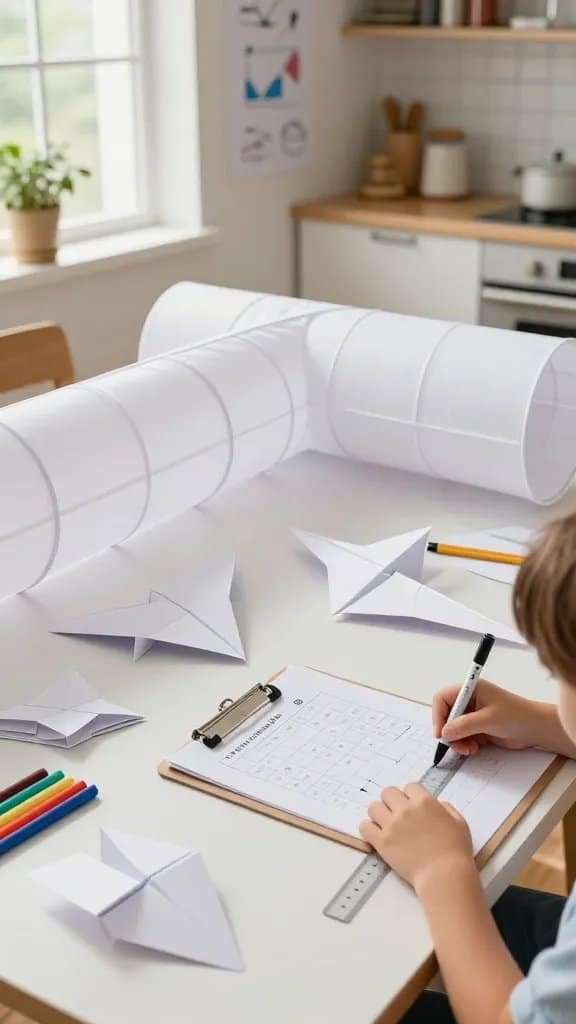
Stunt planes aren’t just for fun—they’re mini wind tunnels. Adjust wing shapes and folds to see how flight changes.
What to tweak:
- Materials: various papers, ruler for precise folds, markers
- Test distance, stability, and glide time
- Record tweaks and outcomes in a chart
Why it’s practical: introduces aerodynamics with something kids already love—race-ready planes. Trust me, hangar talk is a real thing in the kitchen.
13. Crystal Garden: Growing Salt Crystals
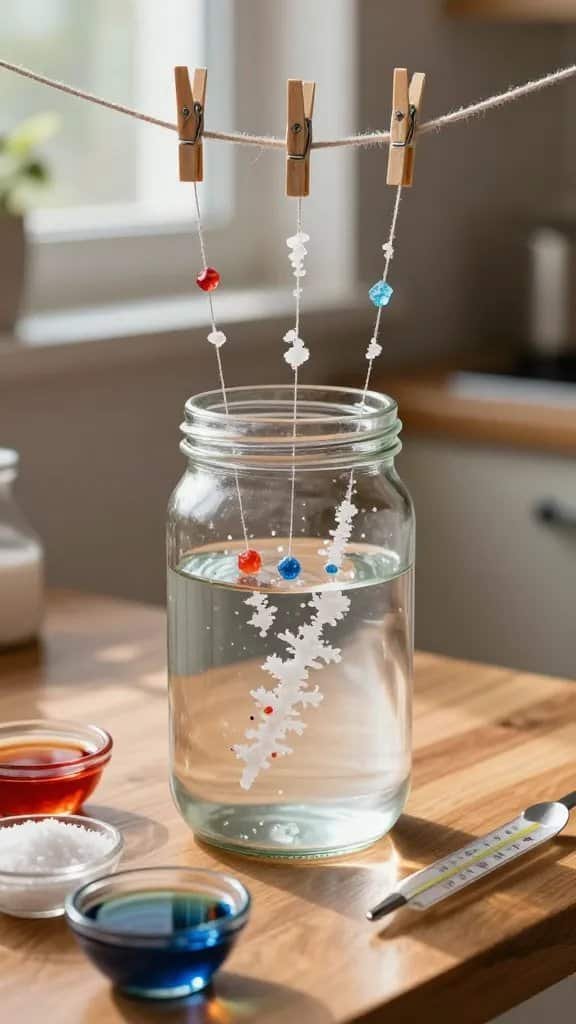
Crystals that grow before your eyes make chemistry feel magical. It’s as educational as it is mesmerizing to watch each morning.
What you’ll need:
- Materials: table salt, water, food coloring, string, jar
- Heat water, dissolve as much salt as possible, suspend string, let crystallize
- Observe crystal shape and growth rate
Endearing payoff: kids see patience pay off and marvel at nature’s patterns. Seriously, tiny crystal gardens are surprisingly satisfying to inspect.
14. DIY Weather Station Journal
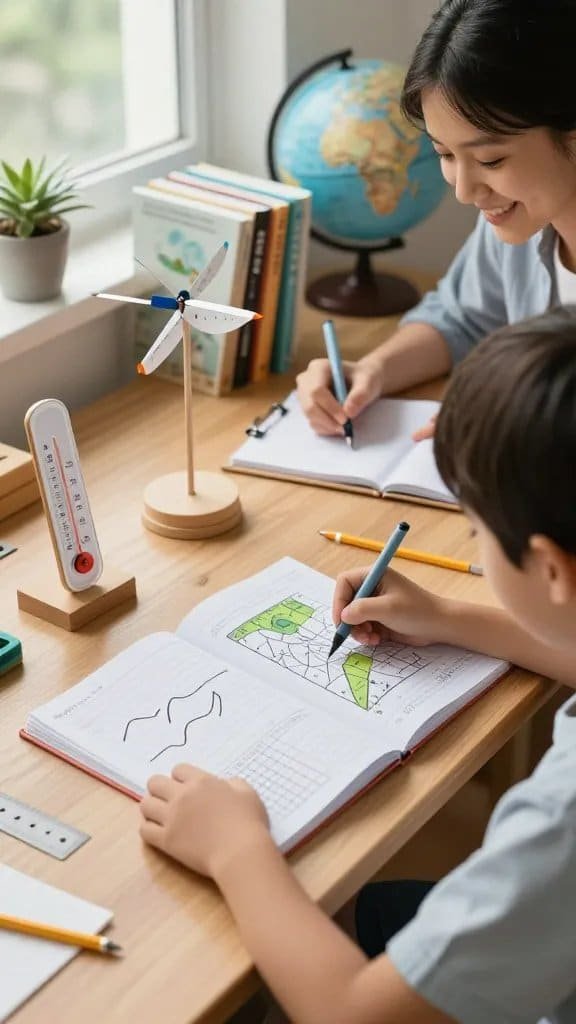
Put together a simple weather station to log daily conditions. It’s about data collection, pattern recognition, and baby steps toward scientific literacy.
What to track:
- Temperature (with a basic thermometer), precipitation, wind
- Draw a daily weather map and note changes
- Monthly summary to spot trends
Why try it: kids connect daily routines to science, and the evidence builds confidence in experimentation. Seriously, small data points compound fast.
Wrapping up these 14 activities, you’ve got a toolbox full of playful, educational options that feel more like adventures than chores. Ready to pick a few and start experimenting together? IMO, the joy of discovery is contagious—your kids will thank you with curious questions and big smiles.

Jessica Miller is the creator of Happy Home Atlas, where she shares simple ideas for home decor, easy recipes, and everyday living. She enjoys creating comfortable spaces, trying new things in the kitchen, and finding practical ways to make daily life feel more organized and enjoyable. Her approach is focused on keeping things simple, useful, and easy to follow.