Ready to unlock serious learning vibes without the classroom chaos? These activities are practical, joyful, and totally doable with things around the house. Let’s dive in and turn your living room into a tiny Montessori lab—minus the boring lectures.
1. Build Fine Motor Mastery With Practical Life Laces
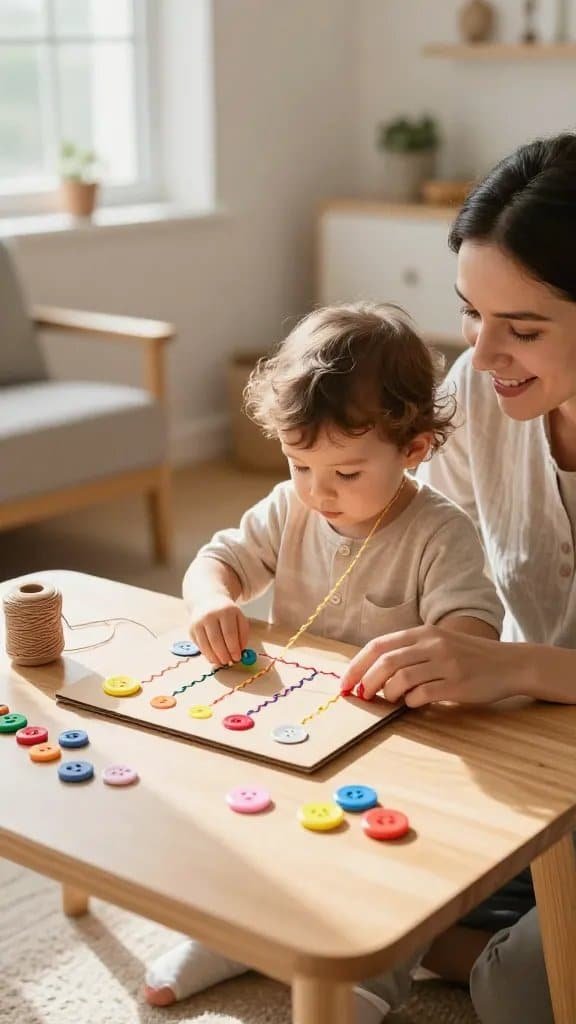
Boost tiny hand muscles while they’re having fun. This activity uses simple lacing tasks that feel like a game, not chores.
What to do: Set up a small lacing board or create one with cardboard, string, and colorful buttons. Encourage your kid to thread, tie, and untie with focused attention.
Key Points:
- Promotes concentration and hand-eye coordination
- Excellent for pre-writing skills
- Low mess, high payoff
Keep it friendly and non-pressuring. Trust me, they’ll beg for “more laces” after a few sessions.
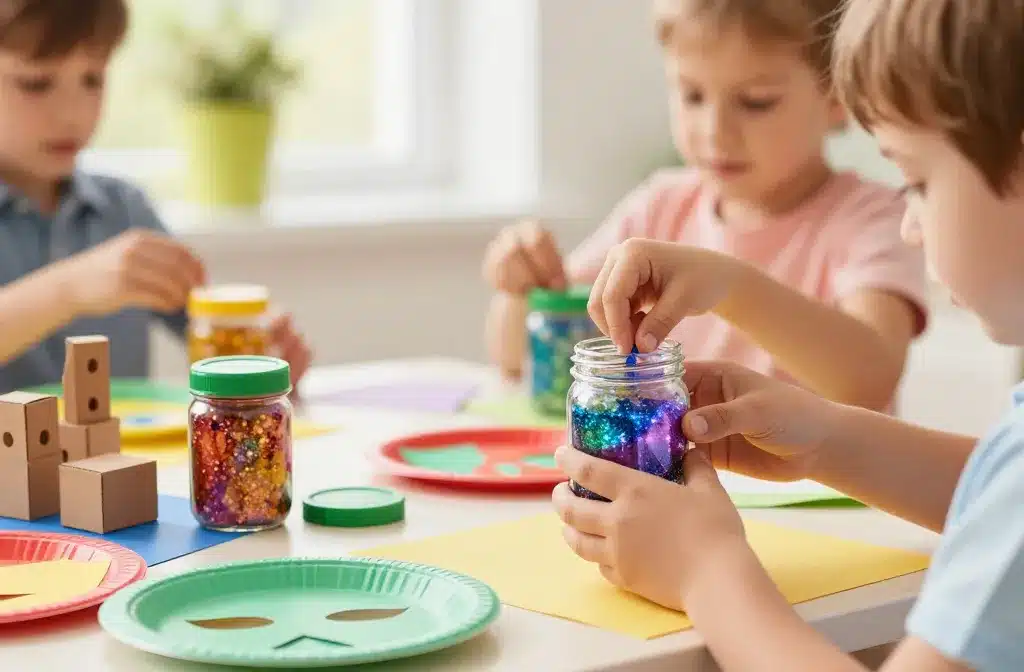
2. Sensory Bottle Exploration: Calm and Curious

Sensory play calms the nervous system while sharpening focus. These bottles are mesmerizing and great for quick transitions.
What to do: Fill clear bottles with water, glitter, oil, and tiny beads. Seal tightly and invite your child to shake, watch, and describe what they notice.
Materials:
- Clear plastic bottles
- Water, clear glue, glitter
- Food coloring or small beads
Tip: Add a few drops of dish soap for extra sparkle. This activity is perfect during setting-the-table or calming-down moments.
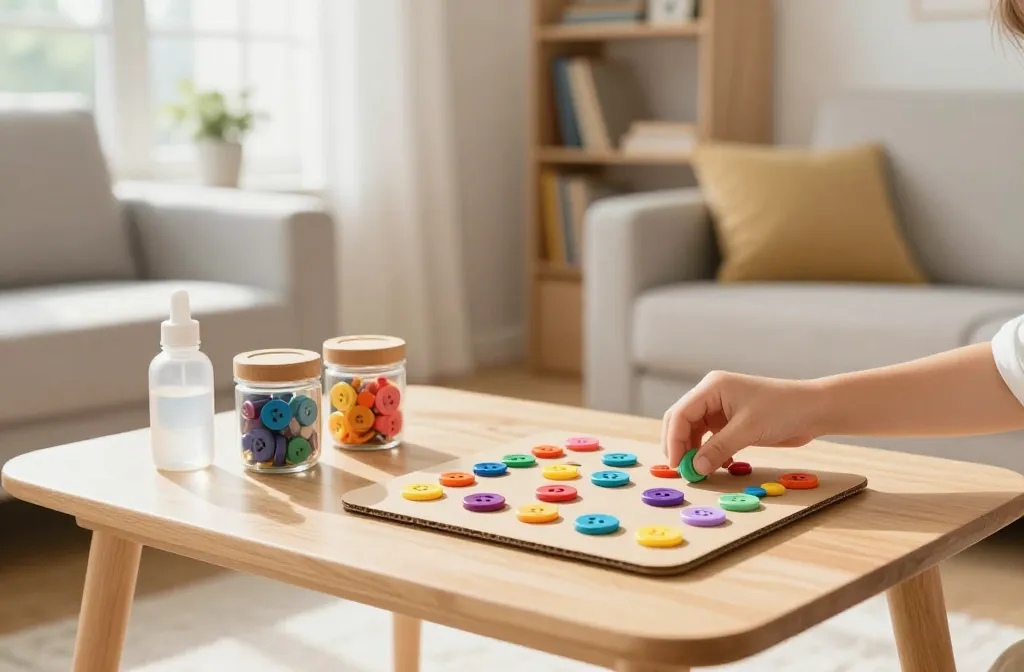
3. Sorting Station: Colors, Shapes, and Sizes
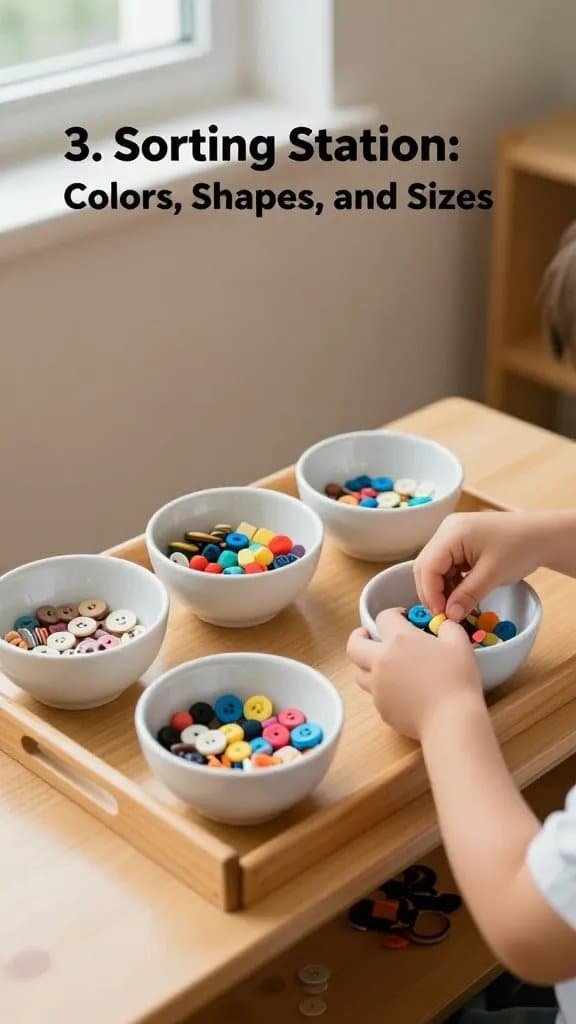
Sorting sharpens cognitive organization and independence. A simple, satisfying challenge your kid can own.
What to do: Gather a handful of small objects—buttons, beads, blocks—in varied colors and shapes. Provide bowls or trays and let them sort by rule of their choosing.
Tips:
- Start with two categories, then expand
- Ask open-ended questions to spark reasoning
- Celebrate small breakthroughs in organization
End result: a neat, self-contained system they can maintain with pride.
4. Doorway Playroom Partitions: Mini Reading Nook
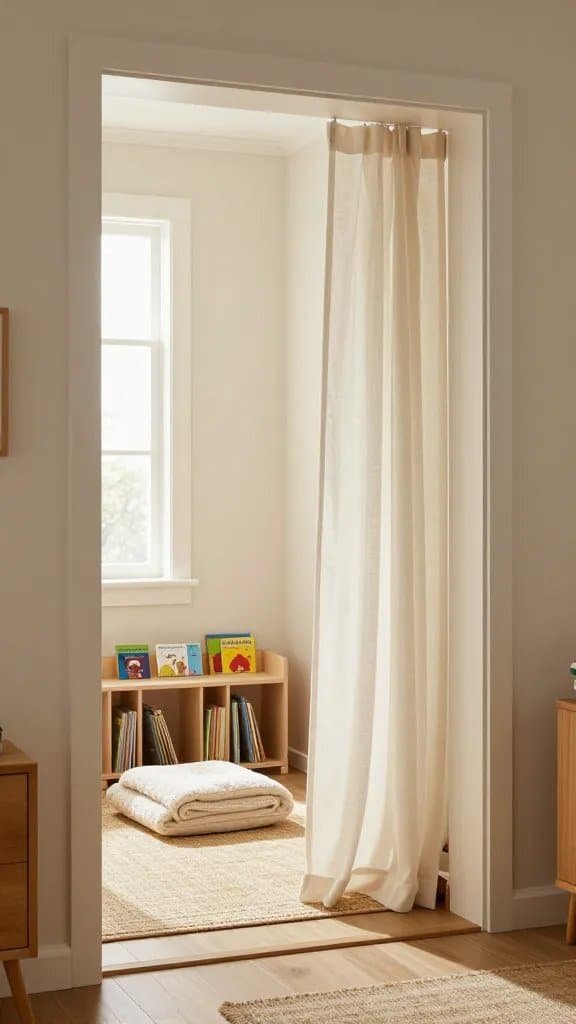
Cozy corners fuel deep focus and reading joy. This setup is quick to assemble and endlessly reusable.
What to do: Create a small reading corner with a comfy cushion, a soft blanket, and a low shelf with picture books. A curtain or bookshelf can act as a “hidden” Montessori nook.
Why it works:
- Promotes independent choosing
- Reduces visual clutter, boosting attention
- Turns reading into a daily, cozy ritual
Bonus: FYI, kids love their own little “house” where stories live.
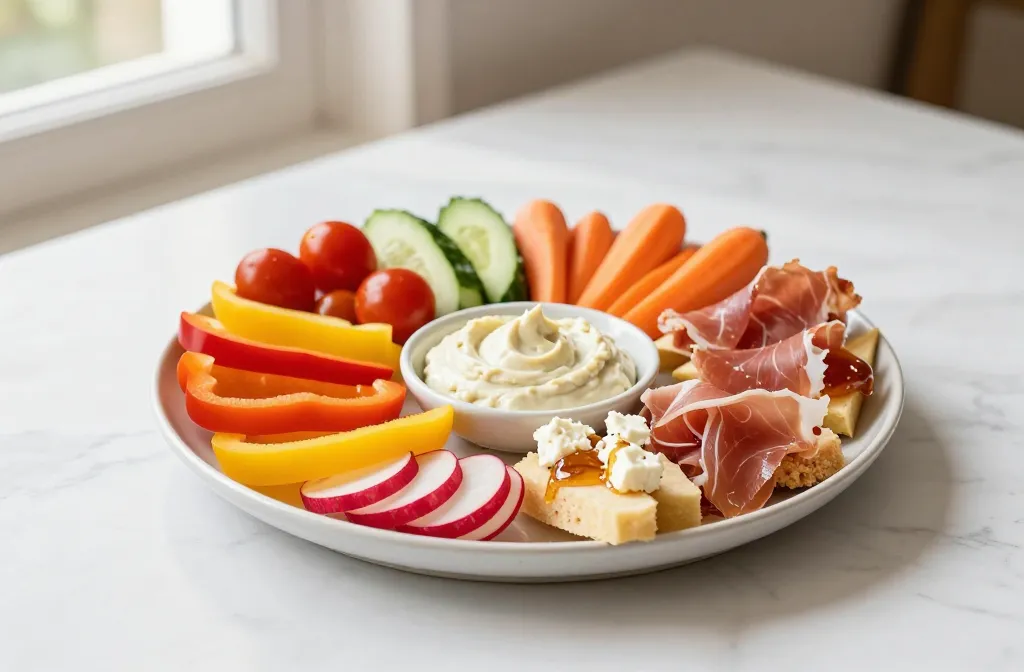
5. Plate Fraction Fun: Snack-Sized Math Kitchen
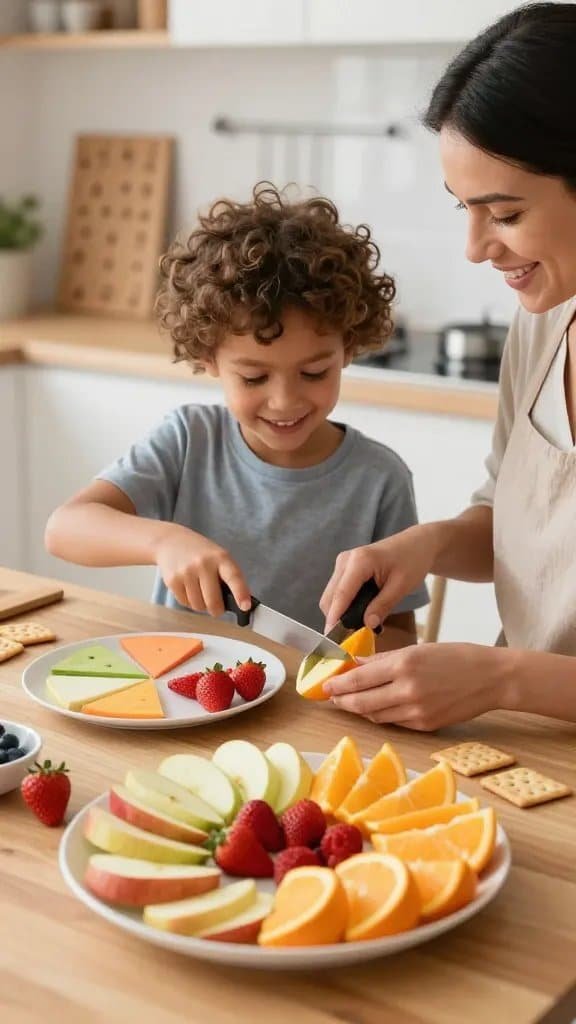
Math can taste amazing when it’s snack-sized. This activity merges math with real-life practicality.
What to do: Use cut fruits or crackers as tangible fractions. Show halves, quarters, and thirds as you share bites together.
Key Elements:
- Concrete understanding of parts and wholes
- Practices sharing and turn-taking
- Delicious motivation to learn
Short and sweet sessions reinforce concepts without turning into a full lesson marathon.
6. Sensorial Nature Walk: Observe, Compare, Describe
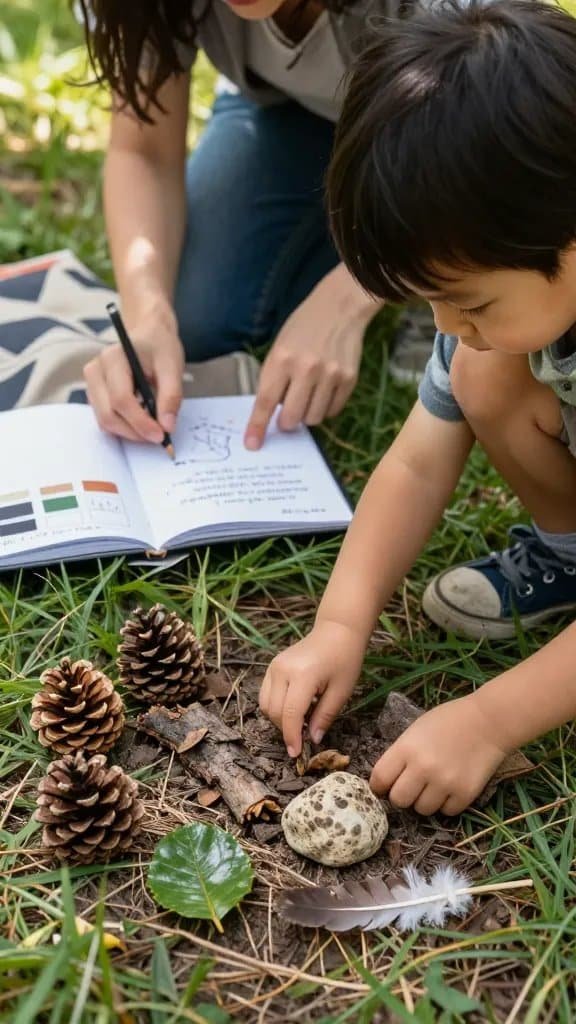
Nature sensory work builds observation skills and language while getting kids moving outside.
What to do: Take a short stroll, collect a few natural items, and discuss textures, colors, and sizes. Create a simple journal entry or drawing afterward.
What to include:
- Texture notes: rough, smooth, bumpy
- Color names and shade comparisons
- Size comparisons: big vs small
Best part: it’s free, flexible, and endlessly adaptable to your yard, balcony, or park nearby.
7. Practical Kitchen Helpers: Planting Seeds, Not Just Snacks
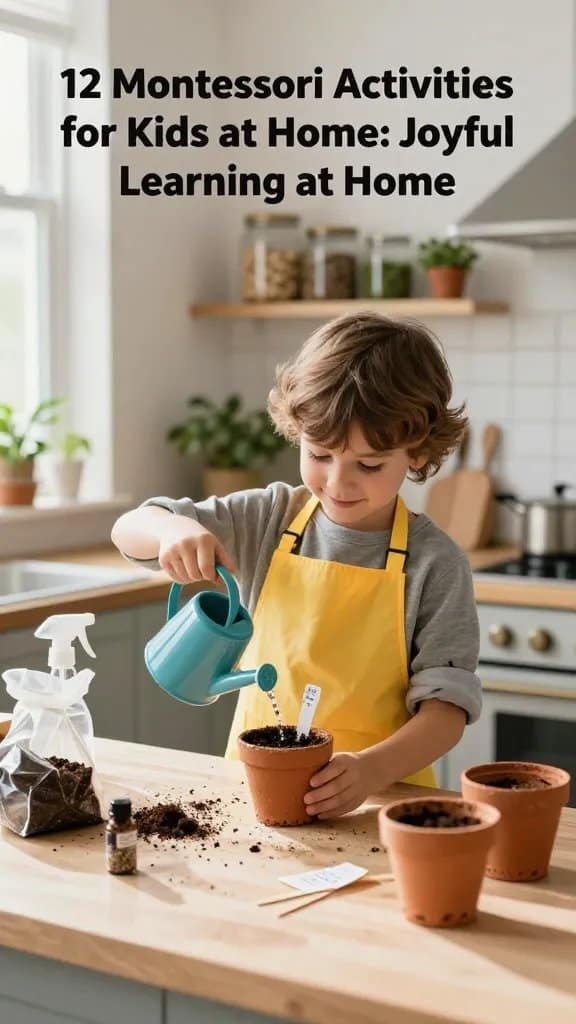
Kitchens are tiny science labs. This activity blends responsibility with tactile joy.
What to do: Let your kid plant a few seeds in a pot. Water gently, observe sprouting, and discuss growth stages. Harvesting can be part of the lesson, too.
Materials:
- Small pot, soil, seeds
- Watering can or spray bottle
- Label sticks for tracking progress
Benefits: builds responsibility, nurtures patience, and sparks curiosity about living things.
8. Practical Zone: Button, Zipper, and Clip Mastery
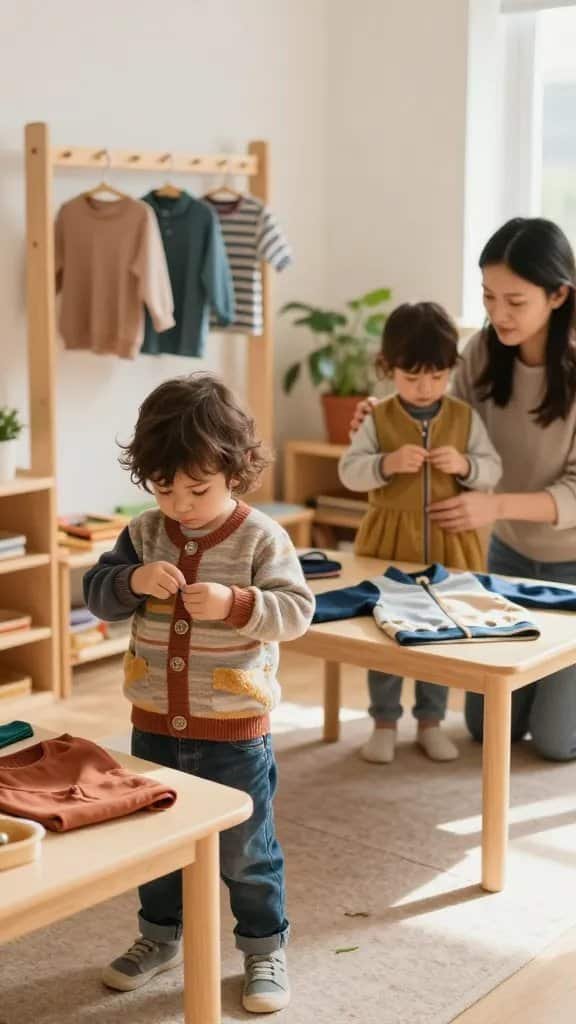
Every day life needs these skills. Turning dressing and organizing into a game boosts independence big time.
What to do: Create a “dress-up station” with a small coat rack or hanger. Let kids practice buttoning, zipping, and snapping using fabrics or a simple costume set.
Tips:
- Start with larger buttons and easy zippers
- Let them attempt once before helping
- Celebrate each successful attempt
End note: these tiny wins compound into big confidence during daily routines.
9. Fine Motor Scavenger Hunt: Hidden Objects Challenge
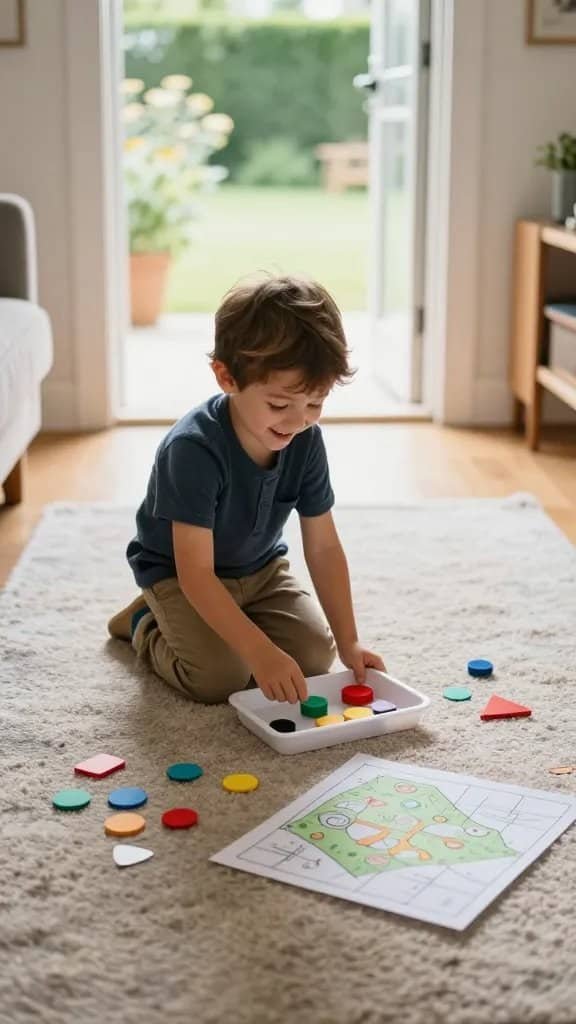
Scavenger hunts feel like treasure hunts and keep little minds buzzing with problem-solving energy.
What to do: Hide small, safe objects around a room or yard. Provide simple clues or a map. Let them locate and collect items in a tray.
Variants:
- Color-coded hunt: match items to colors
- Shape scavenger: find items of a certain shape
- Size sweep: tiny to big objects
Pro tip: Keep it short and sweet—this shouldn’t become a full-on quest marathon.
10. Quiet Corner Art Studio: Self-Expression Time
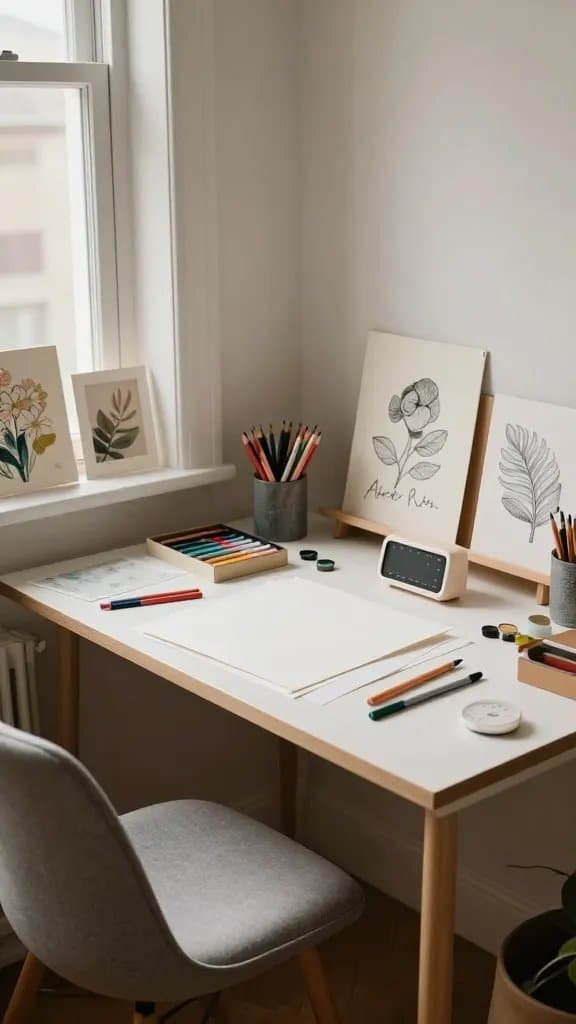
Art lets kids express thoughts and emotions without words. A calm corner makes it easier to stay creative.
What to do: Set up a small space with paper, crayons, markers, and a few allowed supplies. Encourage free expression or themed drawing sessions.
What to include:
- Fixed supplies to avoid mess
- Optional: a simple timer to set a gentle boundary
- Display space for their masterpieces
End note: art is therapy with color and pencils—trust me on this one.
11. Outdoor Sandbox Stories: Building and Narrating
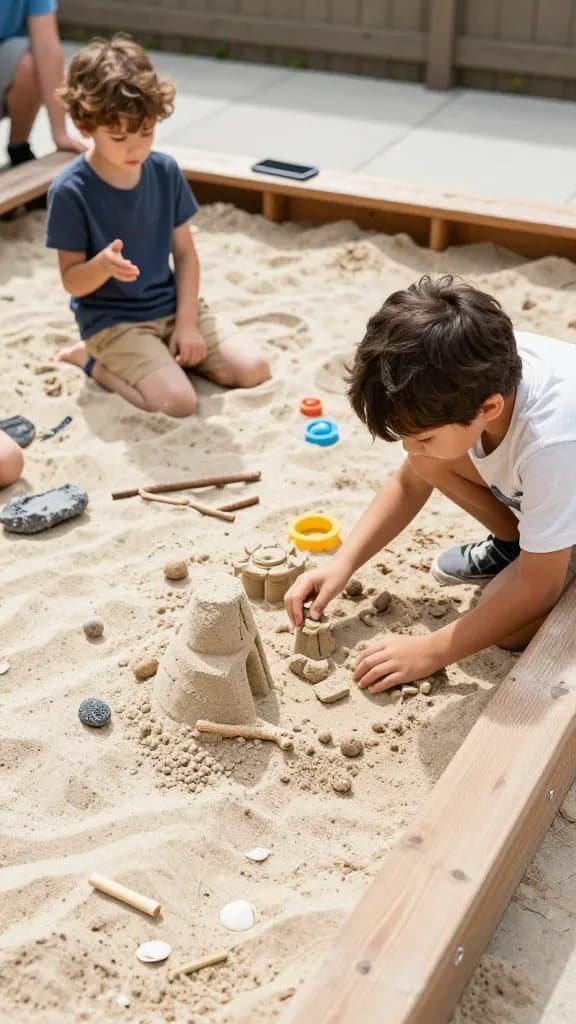
Sandbox play blends tactile learning with language and storytelling. Easy to supervise, endlessly creative.
What to do: Provide a sandbox or tray with sand and small molds. Prompt kids to build a scene, then tell a short story about it.
Key Elements:
- Creative construction skills
- Storytelling and vocabulary growth
- Low-pressure, high-engagement play
Tip: Add a few natural items like sticks and shells to spark imagination.
12. Reflection Journal: Daily Highlights and Observations
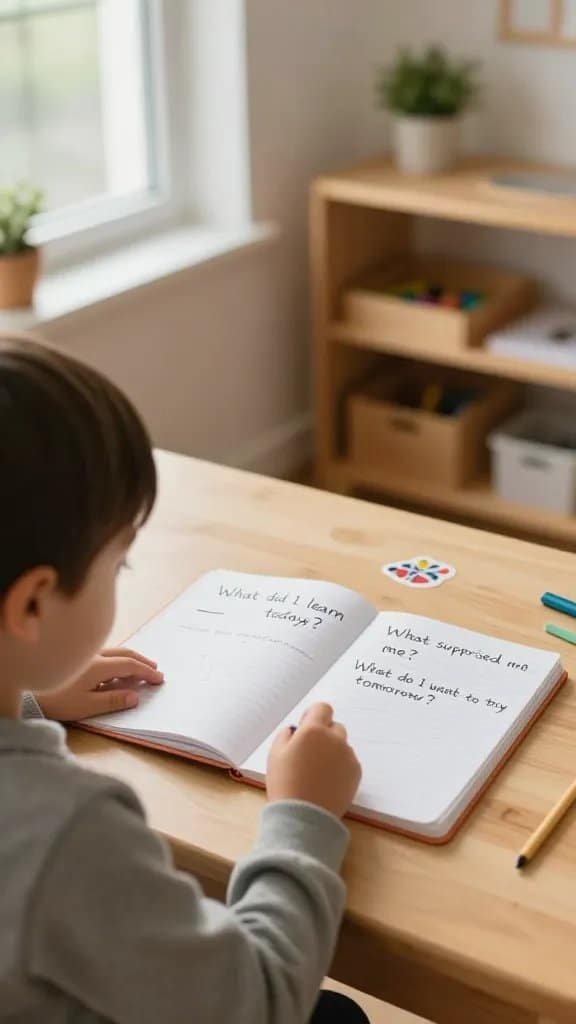
End each day with a tiny reflection. It helps with language, memory, and planning future activities.
What to do: Create a simple journal page with a few prompts: “What did I learn today?”, “What surprised me?”, and “What do I want to try tomorrow?”
Structure:
- One drawing or sentence per day
- Optional: a small sticker reward
- Review weekly to notice progress and preferences
Big picture: journaling anchors learning and gives you tangible progress to celebrate together.
Ready to get started? These 12 Montessori activities for kids at home are flexible, approachable, and surprisingly effective. They respect your child’s pace, honor their curiosity, and turn everyday moments into learning opportunities. FYI, you’ll likely end up learning as much as they do—trust me, it’s a win-win.
Now grab a cup of coffee, pick a couple of activities, and give them a try this week. You’ve got this, and your kiddo will thank you with big smiles and confident leaps forward.

Jessica Miller is the creator of Happy Home Atlas, where she shares simple ideas for home decor, easy recipes, and everyday living. She enjoys creating comfortable spaces, trying new things in the kitchen, and finding practical ways to make daily life feel more organized and enjoyable. Her approach is focused on keeping things simple, useful, and easy to follow.