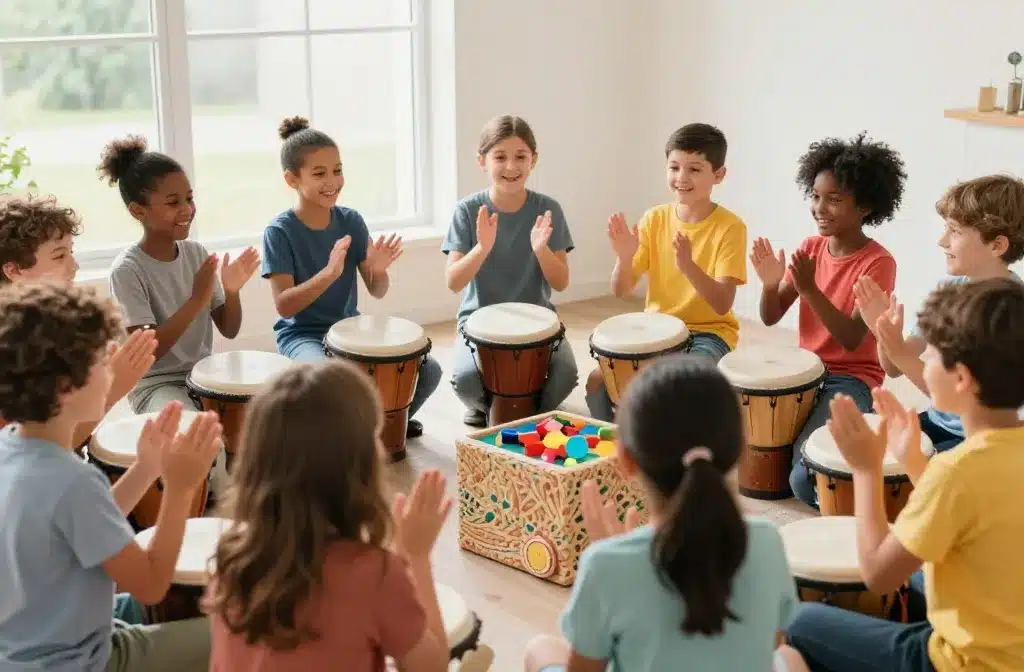
Get ready to turn practice time into playtime. These 12 music activities are fun, super easy to set up, and secretly sneaky ways to boost focus, rhythm, and creativity.
1. Song Swap Challenge: Pick a Beat, Keep the Smile

Turn practice into a friendly exchange. Each kid picks a short beat they love, and everyone takes a turn adding on. The results are delightfully imperfect in the best way.
Why it works: it builds listening skills and confidence, with zero pressure to be perfect. FYI, don’t overthink the rules—keep it loose and goofy.
Tips:
- Set a timer for 30–60 seconds per turn
- Use a simple tempo app to keep everyone in sync
- Encourage cheering and clap-alongs after each round
Benefits: kids learn collaboration, focus on rhythm, and feel proud of their contributions.
2. Soundscapes in a Box: Create Hidden Worlds
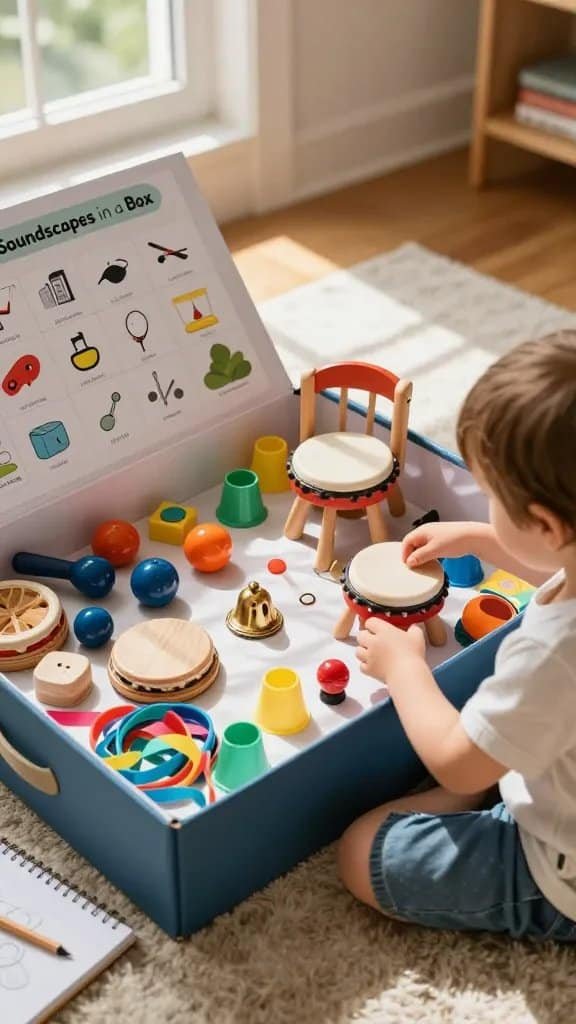
Fill a sensory box with small instruments and found objects. Let kids explore textures, timbres, and tones as they build tiny soundscapes.
Why it’s awesome: it taps into imagination and auditory discrimination without needing perfect pitch. Seriously, it’s magical to hear a chair become a drumline.
Materials:
- Mini shakers, tambourines, and bells
- Wooden blocks, plastic cups, rubber bands
- Label stickers for quick sound mapping
End result: a personalized soundtrack for a story or drawing session, plus a calmer, focused vibe afterwards.
3. DIY Instrument Orchestra: Build Your Own Band

Give kids simple supplies and a mission: craft a tiny instrument from household materials. They’ll be proud and excited to perform with the new “team.”
Why it’s cool: hands-on creation fuels curiosity and persistence. IMO, this beats any screen time, hands down.
Common builds:
- Cardboard guitar from a tissue box and rubber bands
- Drum from a tin can and a balloon head
- Maracas from plastic bottles and beans
Tip: keep glue and scissors safe for younger kids and supervise all crafting moments. Benefits include problem-solving and teamwork.
4. Echo Clap Chains: Rhythm Redo Relay

Start with a simple clap pattern, then add a layer each round. The chain grows faster than you think, and laughter is guaranteed when patterns collide.
Why it’s awesome: it builds working memory and timing. Trust me, the chain reaction is addictive in a good way.
Structure:
- Begin with a 4-beat pattern
- Each kid adds one extra beat or sound
- End with a big group finish—everyone claps together
End note: a quick, high-energy activity that can reset a tense mood into a playful one.
5. Musical Storytime: Soundtrack a Tale
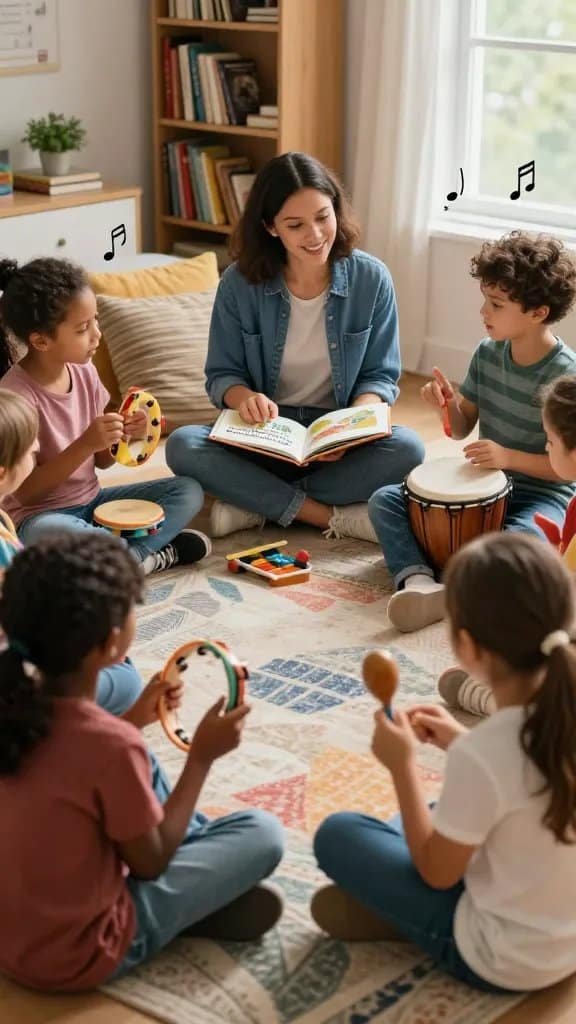
Pick a picture book or a short story and compose sound cues for scenes. Kids decide what mood each moment needs and perform the cues live.
Why it rocks: it blends literacy with musical expression and keeps attention focused. IMO, it makes reading feel cinematic.
Quick guide:
- Assign characters or moments to different sounds
- Use one-per-scene instrument to avoid chaos
- Close with a “soundscape” recap of the story
Benefit: enhances listening, sequencing, and expressive listening skills.
6. Freeze Dance Remix: Move to the Beat, Then Freeze
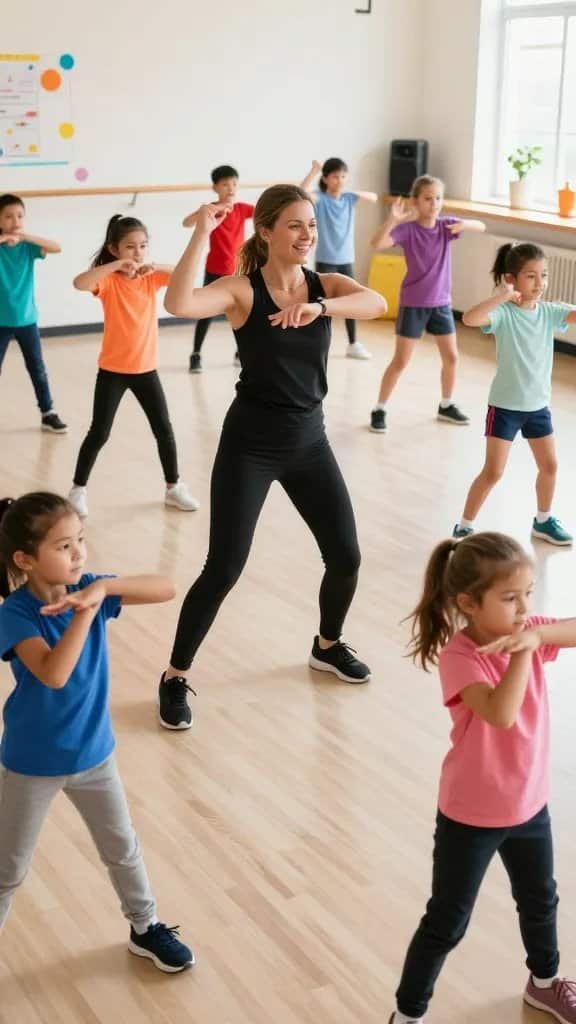
Play a song, everyone dances, and when the music stops, everyone freezes. Add silly poses to keep energy high.
Why it’s special: movement + music = boosted focus and a big mood lift. FYI, it’s a kid magnet for even the shyest dancers.
- Use a variety of tempos to challenge timing
- Include quick “micro-freezes” for quick bursts of focus
- Rotate leadership so every kid gets a spotlight
Best outcome: lots of giggles and a little exercise—win-win.
7. Rhythm Relay Race: Beat-Based Team Challenge

Split into teams and pass a rhythm baton. Each team must replicate or extend the beat before passing it on. It’s teamwork with a tempo twist.
Why you’ll love it: it teaches turn-taking, listening closely, and adapting on the fly. Seriously, it’s energizing.
Key elements:
- Simple starting beat for everyone
- Equal turns for each player
- Cheer station to encourage peers
End result: stronger collaboration and a loud, proud finish line vibe.
8. Instrument Stories: Invent a Sound Character
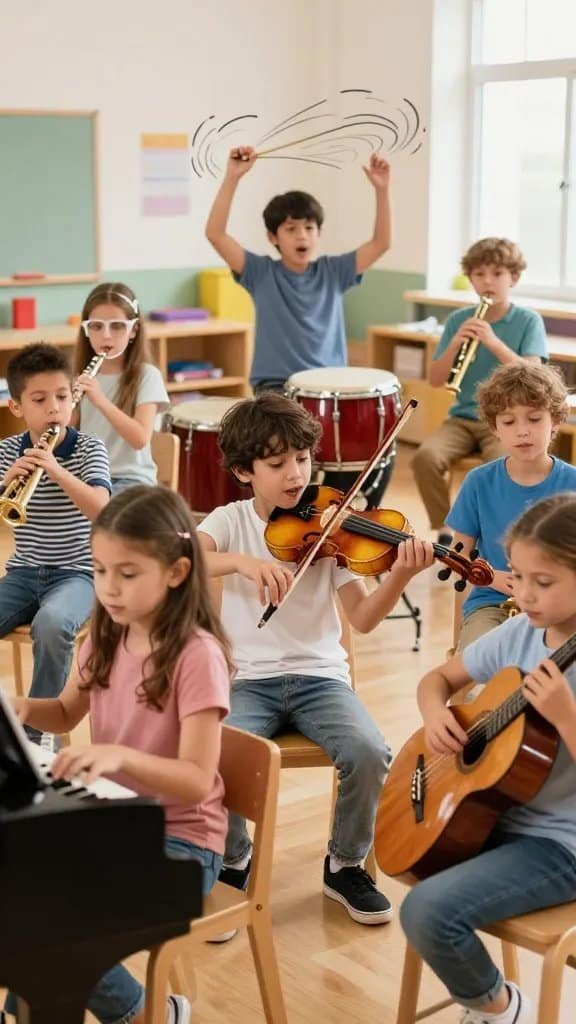
Kids choose an instrument and imagine it as a character with personality traits. They narrate short solos as that character steps into the scene.
Why it works: storytelling plus sound design sparks imagination and expressive playing. Trust me, you’ll hear some hilarious voices and melodies.
Optional prompts:
- What’s the instrument’s favorite color?
- What is its biggest musical fear?
- What would it sing at a talent show?
Takeaway: expressive playing becomes the star of the show, not perfection.
9. Verses and Voices: Sing-Tore Party

Turn a favorite song into a sing-along battle of vocal styles. Kids try different voices, ranges, and dynamics to bring the chorus to life.
Why it’s awesome: vocal play deepens pitch awareness and confidence. FYI, there’s no wrong way to sing when you’re having fun.
Tips for success:
- Assign roles like “soft singer” and “loud singer”
- Switch instruments during the chorus for variety
- Record a quick clip to review together later
Result: a memorable performance that everyone can join in on.
10. Sound Walk Quest: Listen and Locate
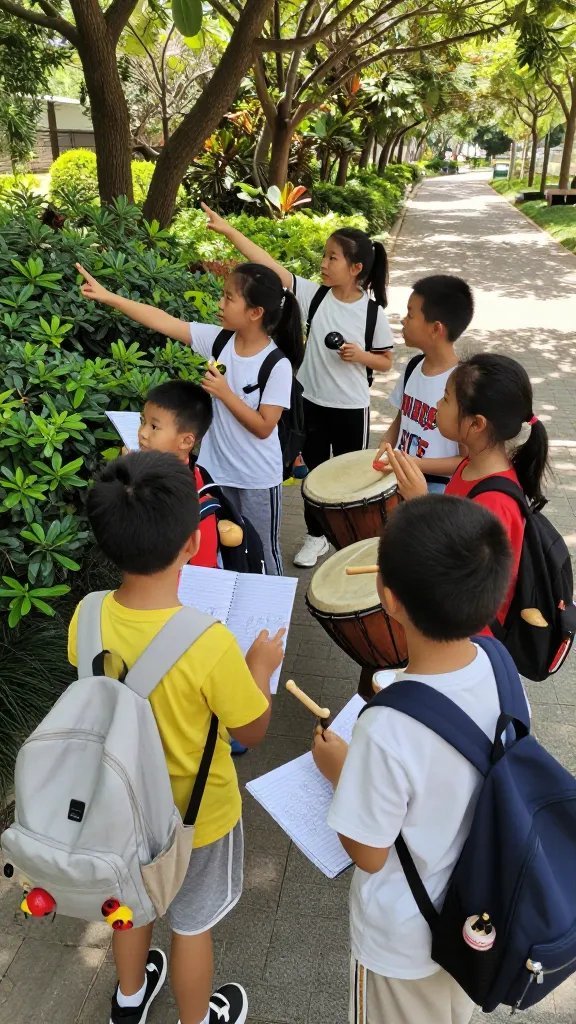
Take a stroll and map the environment by sounds. Kids identify sources of noises and then recreate a mini-ensemble based on what they heard.
Why it’s cool: it sharpens auditory memory and eco-awareness. Plus, it turns a routine walk into a mini-adventure.
What to bring:
- Notebook for sound sketches
- Simple percussion items to recreate found sounds
- Water and sunscreen for sunny days
Bottom line: a gentle, curious way to connect music with real life.
11. Mini-Composition Studio: Compose a 30-Second Theme
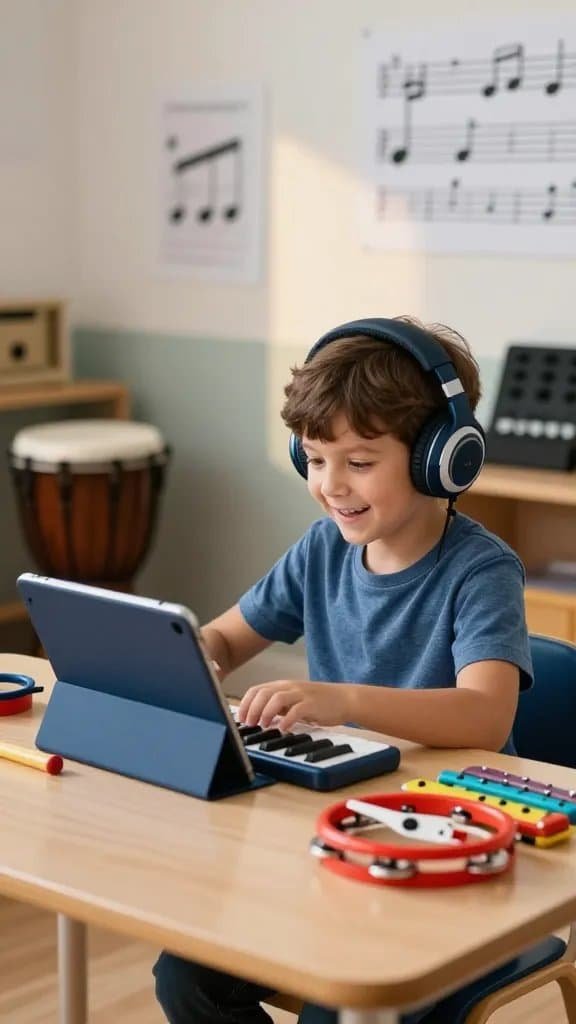
Give kids a beat box or a few instruments and challenge them to compose a complete 30-second theme with a clear start, middle, and end.
Why it sticks: short formats are perfect for small brains, and finishing a theme gives a clear sense of accomplishment. IMO, this is where confidence blooms.
Structure:
- Intro motif (2–4 seconds)
- Development section with variation
- Finale that returns to the intro theme
End note: you’ll end up with a mini-library of memorable tunes to hum during chores.
12. Family Concert Night: The Grand Finale at Home
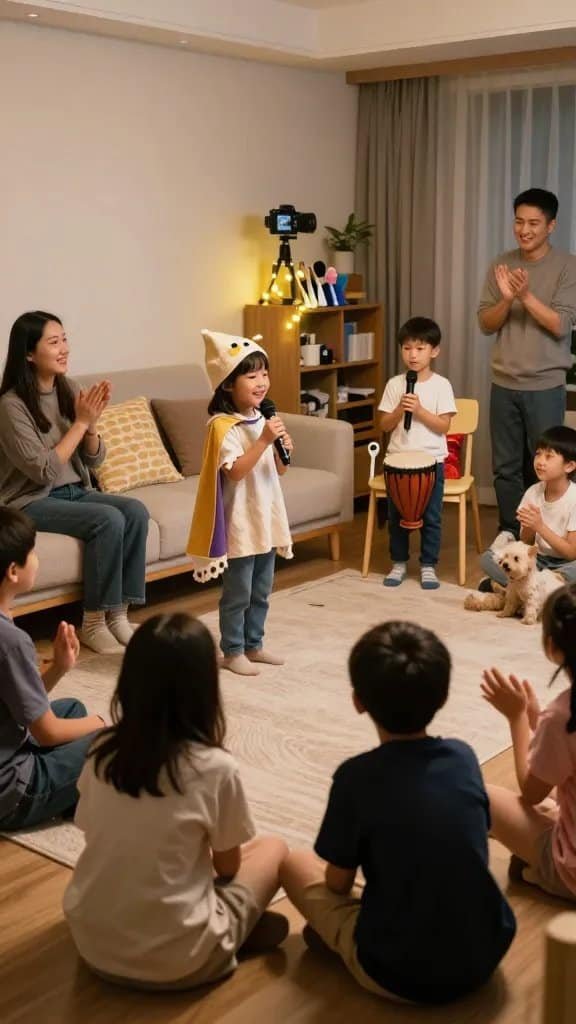
Wrap up the series with a cozy, low-stakes concert for family—parents, siblings, pets optional. Let each kid curate their own set or perform as a group.
Why it works: it gives kids a clear purpose and a finish line to work toward. Seriously, nothing beats the pride of live performance, even if it’s just in the living room.
Tips for a smooth show:
- Keep it short and sweet—15 to 25 minutes total
- Provide simple costumes or stage brushes like a cape or hat
- Record the performance for a keepsake
Benefit: boosts public speaking, stage presence, and the joy of shared music.
These 12 music activities are designed to be quick, flexible, and endlessly repeatable. They blend creativity with learning in a way that feels like play, not homework. FYI, you don’t need fancy gear—everyday items and a dash of imagination do the trick.
Ready to dive in? Pick a few you like, set a rough schedule, and let the jam sessions begin. Trust me, your kids will thank you with bigger smiles, sharper ears, and more confident voices.

Jessica Miller is the creator of Happy Home Atlas, where she shares simple ideas for home decor, easy recipes, and everyday living. She enjoys creating comfortable spaces, trying new things in the kitchen, and finding practical ways to make daily life feel more organized and enjoyable. Her approach is focused on keeping things simple, useful, and easy to follow.