Ready to spark bright eyes and big smiles? These 10 activities turn English practice into adventures your kids will beg to try. FYI, learning sticks when it’s this fun.
1. Story Dice Adventures
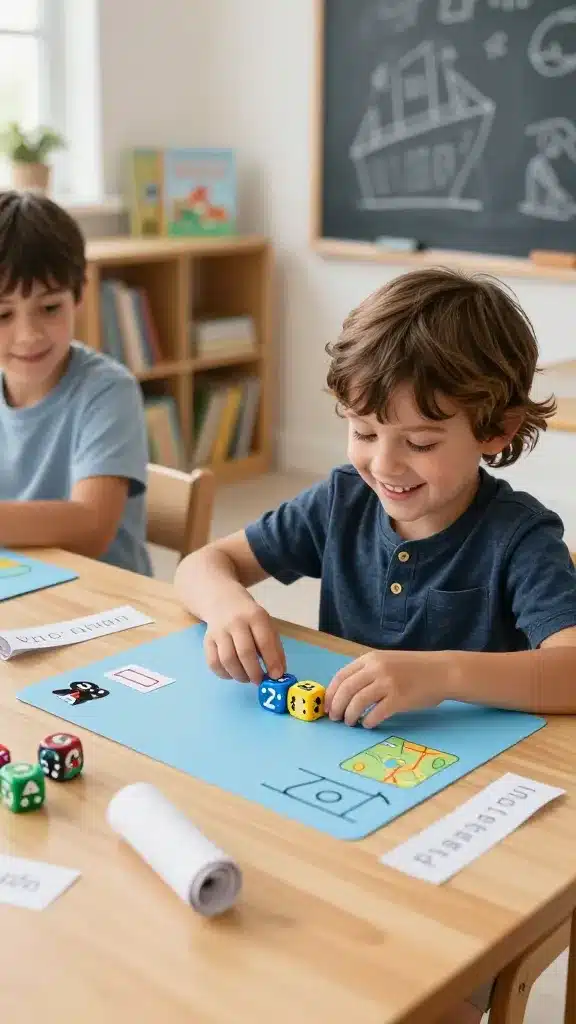
Rolling story dice is a gateway to spontaneous vocabulary and creativity. The simple act of turning a few random words into a mini tale fires up imagination and language skills at the same time.
What You Do
- Grab a set of story dice or make your own by writing prompts on slips of paper.
- Roll 3–4 prompts and craft a short story together.
- Record or retell the story to practice pronunciation and rhythm.
Tip: Start with familiar genres like pirates or animals to keep the energy high. This is perfect for a rainy afternoon or a calm bedtime routine.
2. Word Treasure Hunt
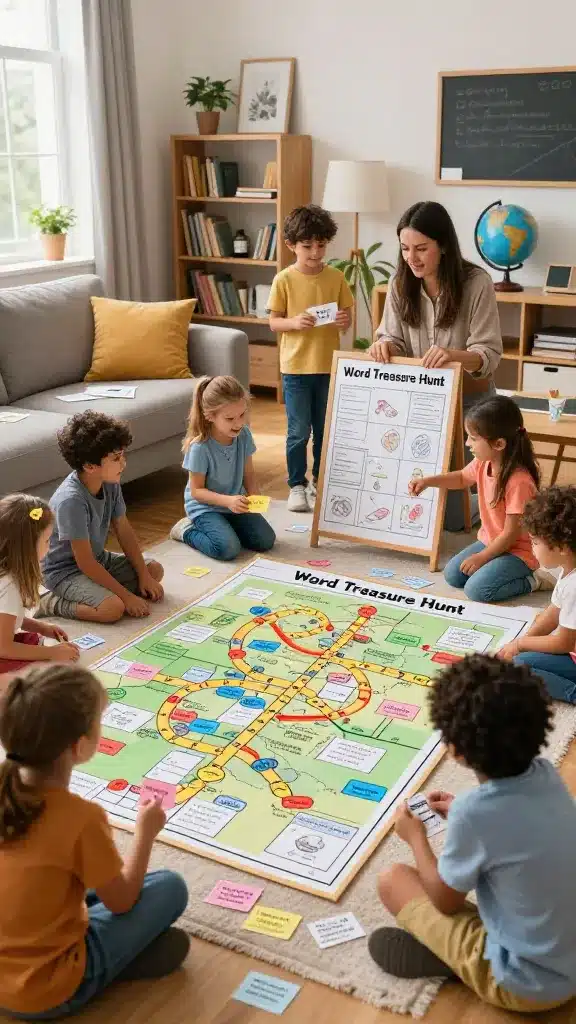
Turn the house into a scavenger map of vocabulary. Kids search for objects that match freshly learned words, then show and tell what they found.
How It Works
- Hide small cards with new vocabulary around a room.
- Give clues in English and encourage kids to describe objects aloud.
- At the end, create a mini glossary together with drawings.
Why it’s awesome: movement + language = steady attention. Plus, you’ll get to hear goofy mispronunciations and gently correct them in real time.
3. Karaoke Read-Aloud Nights
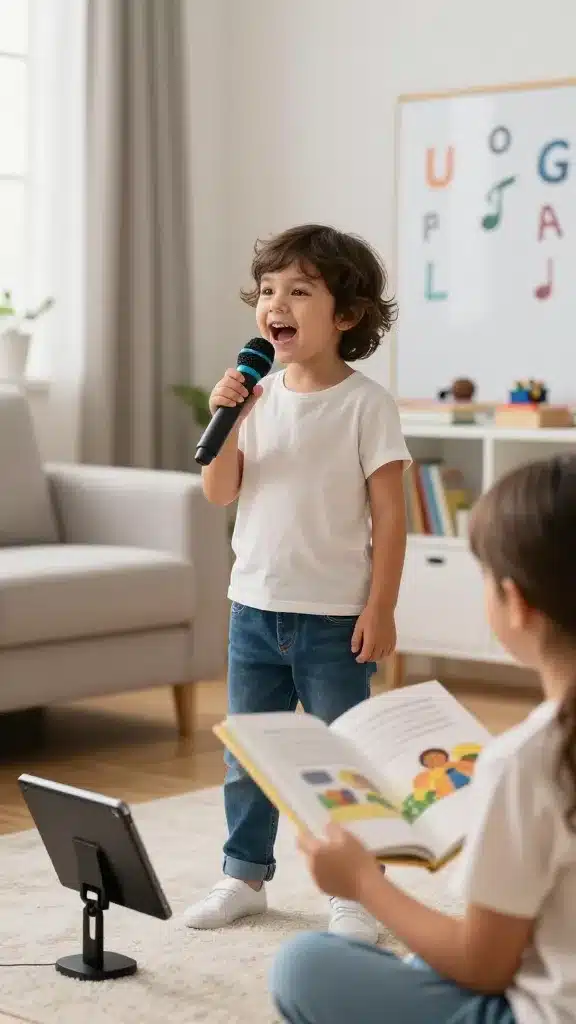
Combo of singing and reading helps with pronunciation, cadence, and confidence. Pick short songs or catchy chants with clear enunciation.
Tips for Success
- Choose upbeat songs with simple lyrics first.
- Print the lyrics large and mark tricky words with a friendlier pronunciation guide.
- Take turns performing, and sprinkle compliments to keep vibes positive.
Bonus: record a quick performance to celebrate progress. Seriously, your future star will thank you.
4. Comic Strip Language Labs
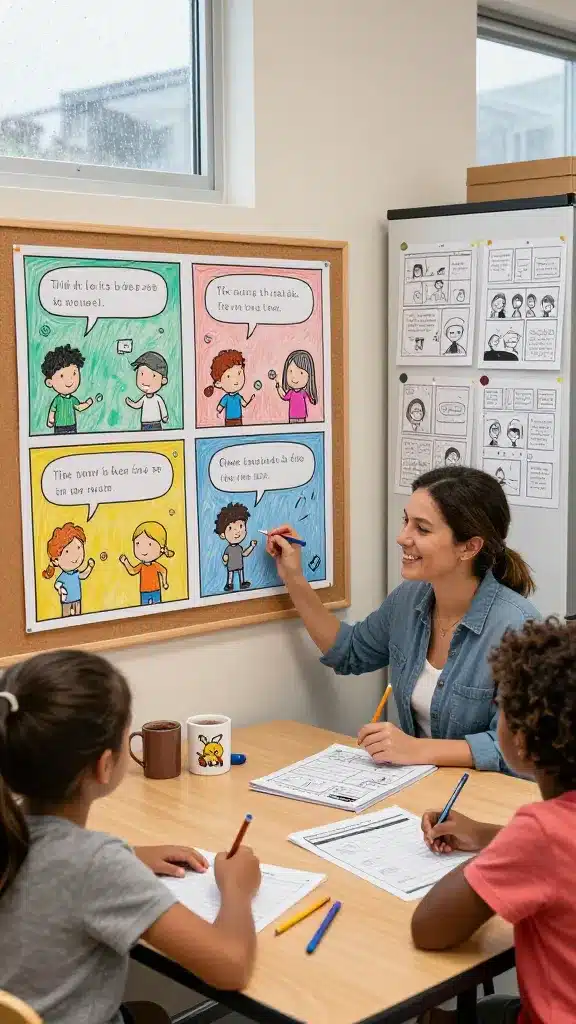
Captioned comics are tiny, powerful immersion units. Kids love drawing and sequencing while you sneak in grammar and punctuation notes.
How to Run It
- Let kids create 4–6 panels with simple dialogue.
- Focus on speech bubbles, punctuation, and verb tenses in a playful way.
- Display the strips on the fridge and read them aloud together.
End note: comics make dialogue feel natural rather than forced. Use this during a rainy weekend or as a weekend project.
5. Cooking Corner: Recipe English
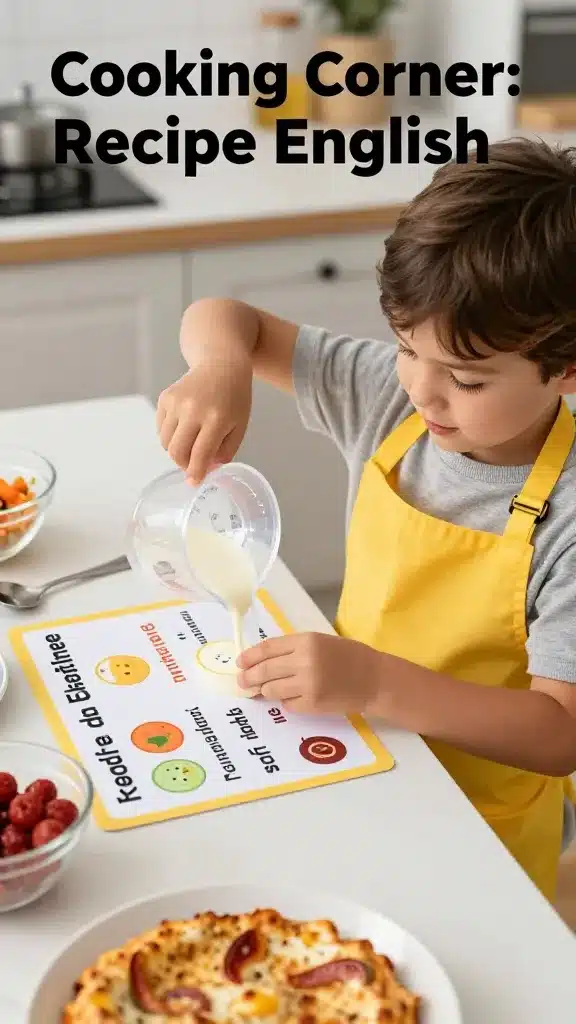
Food is a universal magnet. Follow kid-friendly recipes in English to build reading comprehension and measurement vocabulary while you whip up something tasty.
What to Do
- Pick simple recipes with steps labeled in English.
- Read each step aloud, then execute it together.
- Talk about quantities, adjectives (small, large, fresh), and verbs (mix, pour, stir).
Why it rules: kids see direct, tasty results from their language work, and you get clean dishes as a side effect. Win-win.
6. Word Wizardry Flashcards That Don’t Suck
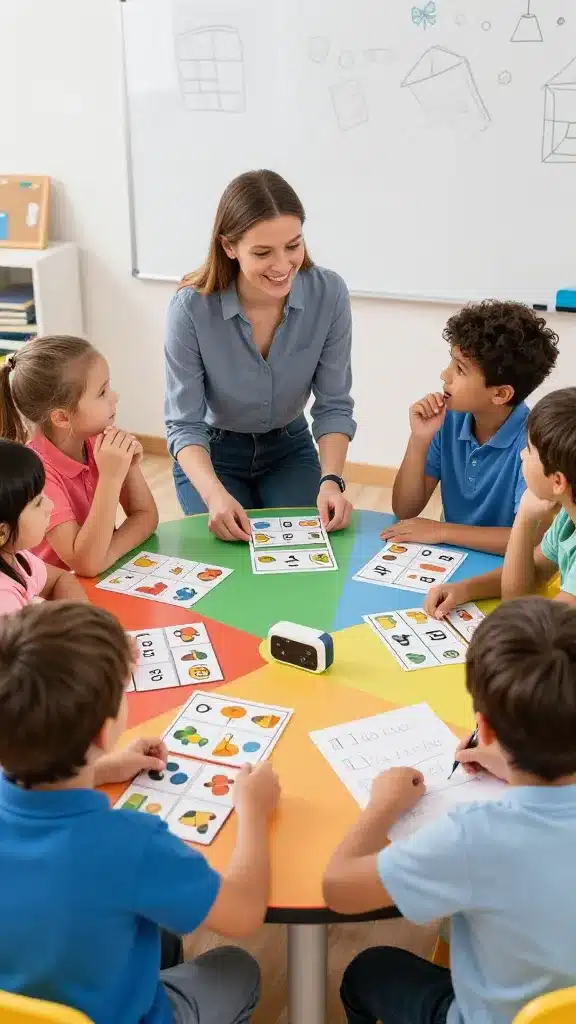
Flashcards don’t have to be boring. Turn them into quick games that reinforce memory and speaking fluency without the eye-rolls.
Engaging Formats
- Memory match: pair words with pictures.
- Speed round: a timer says a word, kid responds with a sentence.
- Story link: draw a card, then invent a sentence that links to a story you’re telling.
Keep sessions short and punchy—2 to 5 minutes max. FYI, consistency beats marathon sessions any day.
7. Puppet Show Pals
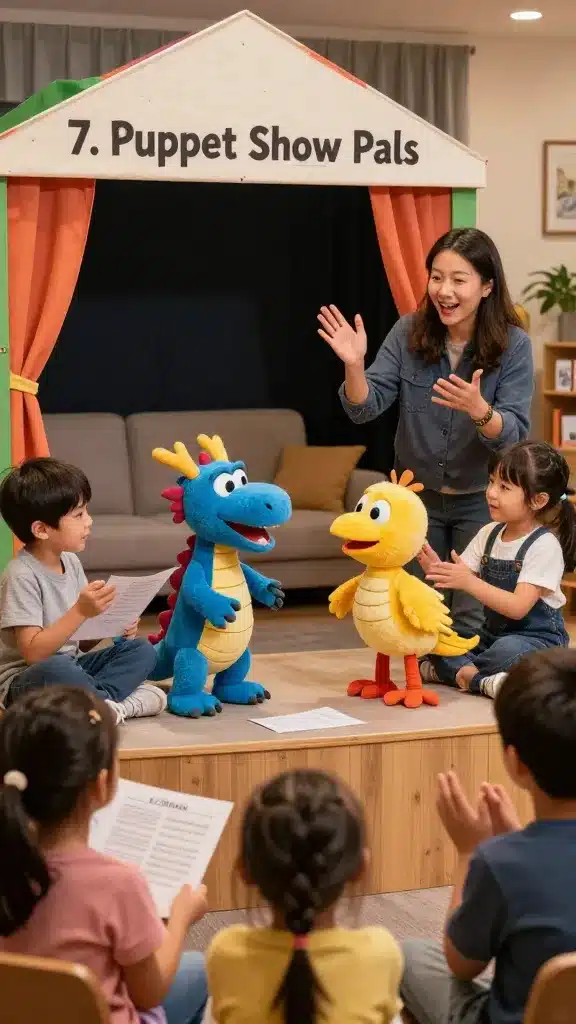
Puppets turn shy kids into confident speakers and give you a chance to model expressive language and intonation. It’s theatre meets vocabulary practice.
Steps to Shine
- Prepare a simple script with 6–8 lines per puppet.
- Assign roles and rehearse a mini scene together.
- Perform for a family audience and swap roles for extra practice.
Tip: keep scripts short and focused on practical phrases—greetings, asking for help, and describing things. Trust me, it’s adorable and effective.
8. Outdoor Nature Narratives
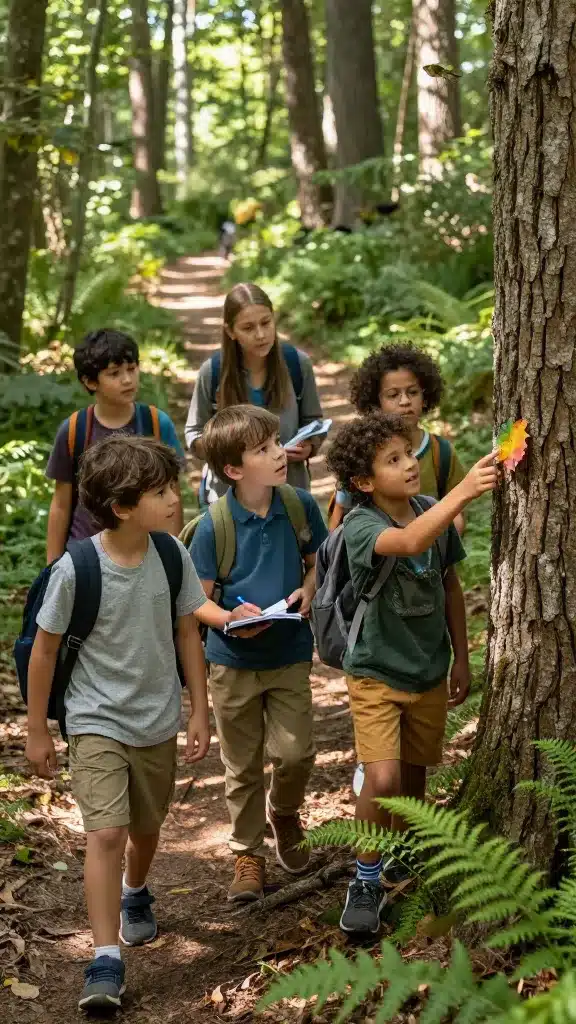
Nature walks become mini language expeditions when you narrate what you see. It’s science and English in one delightful stroll.
What to Narrate
- Descriptive words: colors, textures, and sizes.
- Ask questions: “What do you think this leaf feels like?”
- Record a quick nature journal entry after the walk.
Benefits: boosted observational skills, richer vocab, and a healthy dose of fresh air—plus you don’t have to wrangle a screen.
9. English Bento Boxes
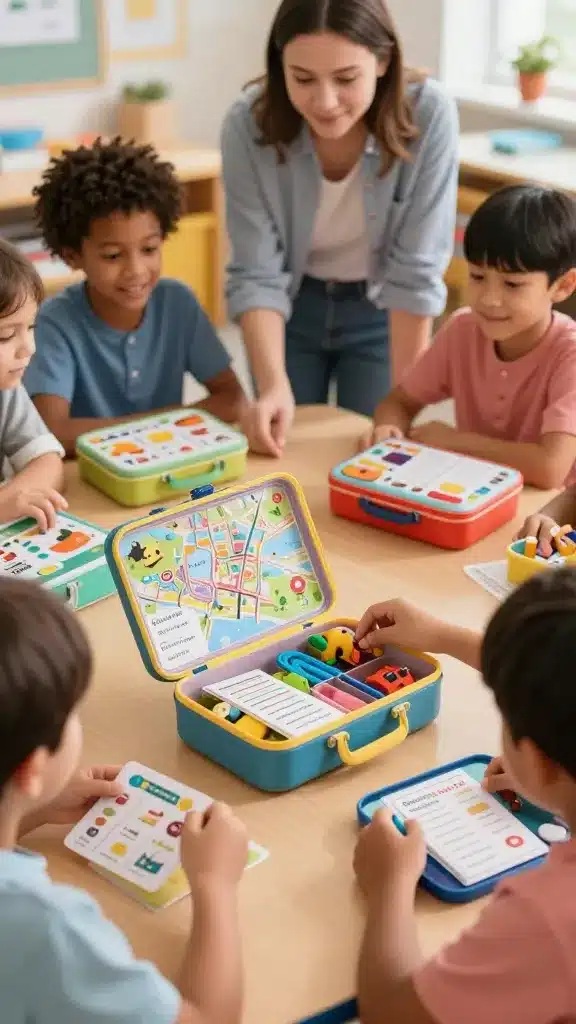
Mini, themed learning boxes that you swap daily keep curiosity high and attention focused. Each box is a tiny, reusable language mission.
Box Ideas
- Travel Box: new city vocabulary, maps, and simple phrases for a pretend trip.
- Animal Box: names, sounds, and simple care instructions.
- Cooking Box: recipe steps and kitchen-safe commands.
Rotation keeps it fresh. You’ll notice kids looking forward to “unboxing” a new language adventure.
10. Mystery Letter Challenge

Letters become clues in a friendly mystery. Kids practice spelling, phonics, and sentence construction while solving the case.
How to Play
- Prepare a few clue cards with missing letters or simple puzzles.
- Kids fill in the blanks and advance to the next clue.
- End with a fun reveal and a quick recap of new words learned.
End benefit: purposeful practice with a sprinkle of detective thrill. It’s amazing how fast learning sticks when it feels like an adventure.
These ideas aren’t just activities; they’re tiny language adventures you can drop into a busy day. Each one builds confidence, practical vocabulary, and a love for English that lasts longer than a single worksheet. FYI, consistency and a little playful rivalry help keep the energy up, but keep it light and fun.
Ready to try these out? Pick two this week, then add a third next week. Your kiddo will thank you with more chatter, more smiles, and better English than you expected—trust me.

Jessica Miller is the creator of Happy Home Atlas, where she shares simple ideas for home decor, easy recipes, and everyday living. She enjoys creating comfortable spaces, trying new things in the kitchen, and finding practical ways to make daily life feel more organized and enjoyable. Her approach is focused on keeping things simple, useful, and easy to follow.